Faculty & Academic Leadership

Scholar-teachers formed for the church.

Life Seminary faculty unite theological scholarship, Christian formation, and ministry practice in service of students across the global church.

School of Theology and Ministry

Academic Leadership

Christian scholars and ministry leaders committed to biblical faithfulness, theological depth, and practical service.

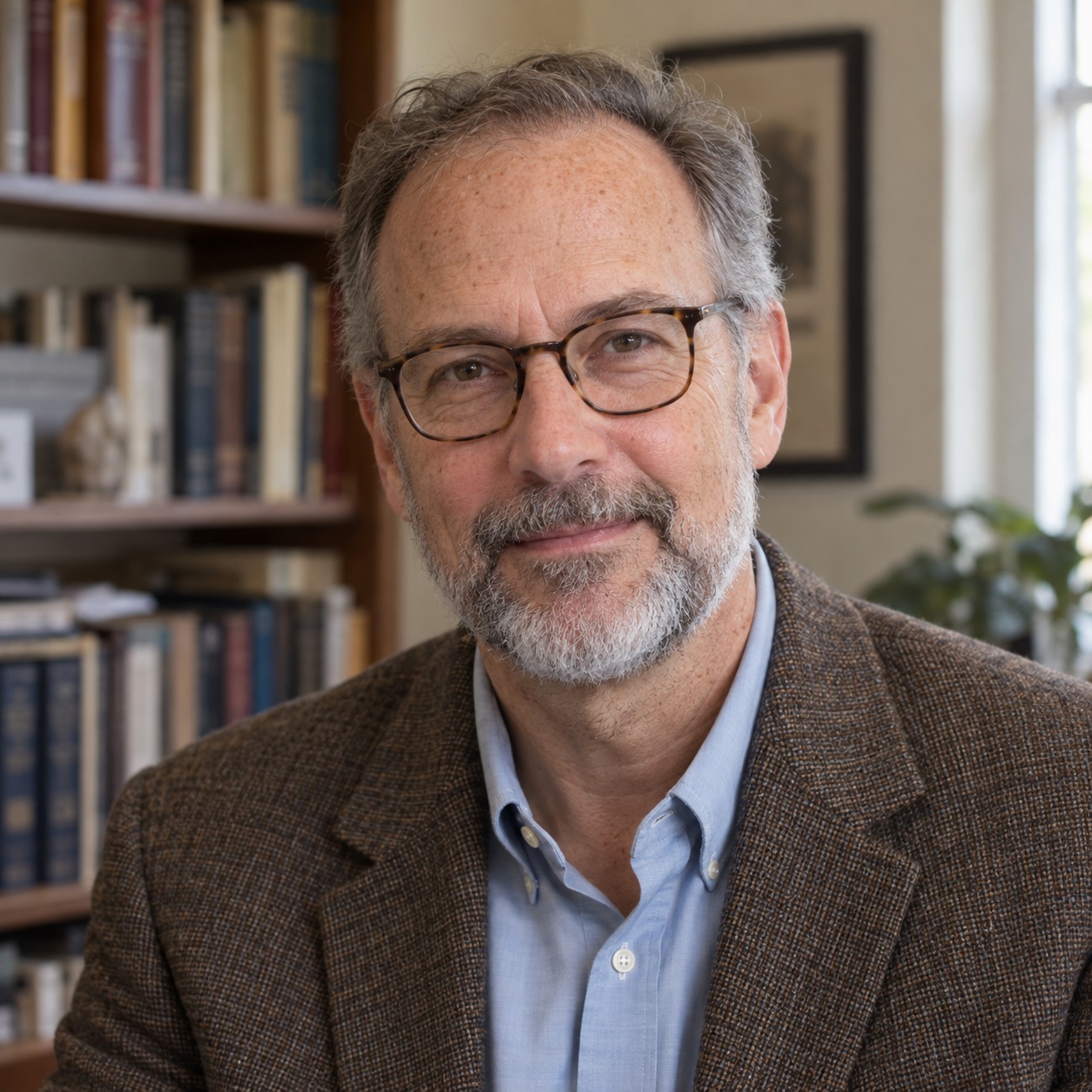
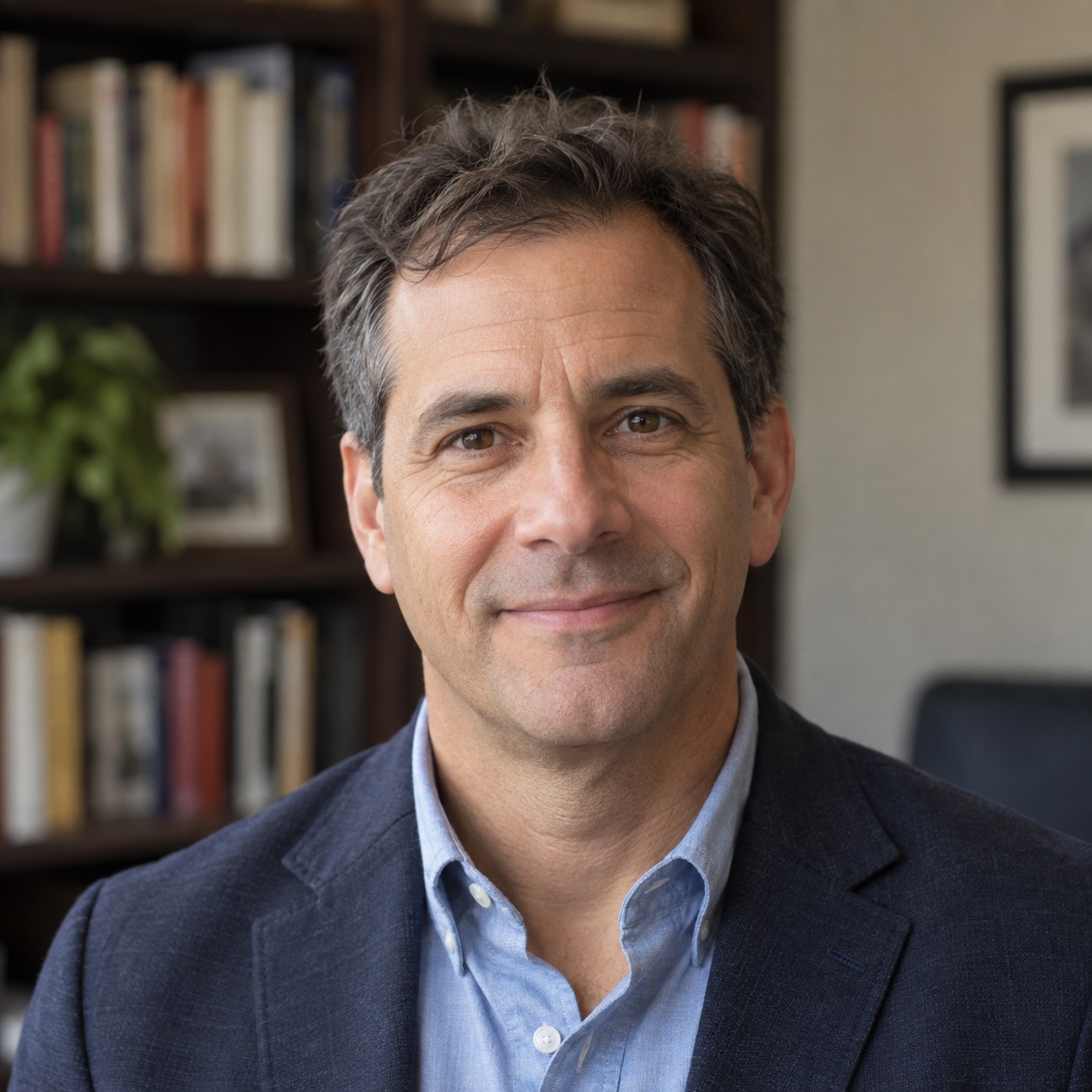
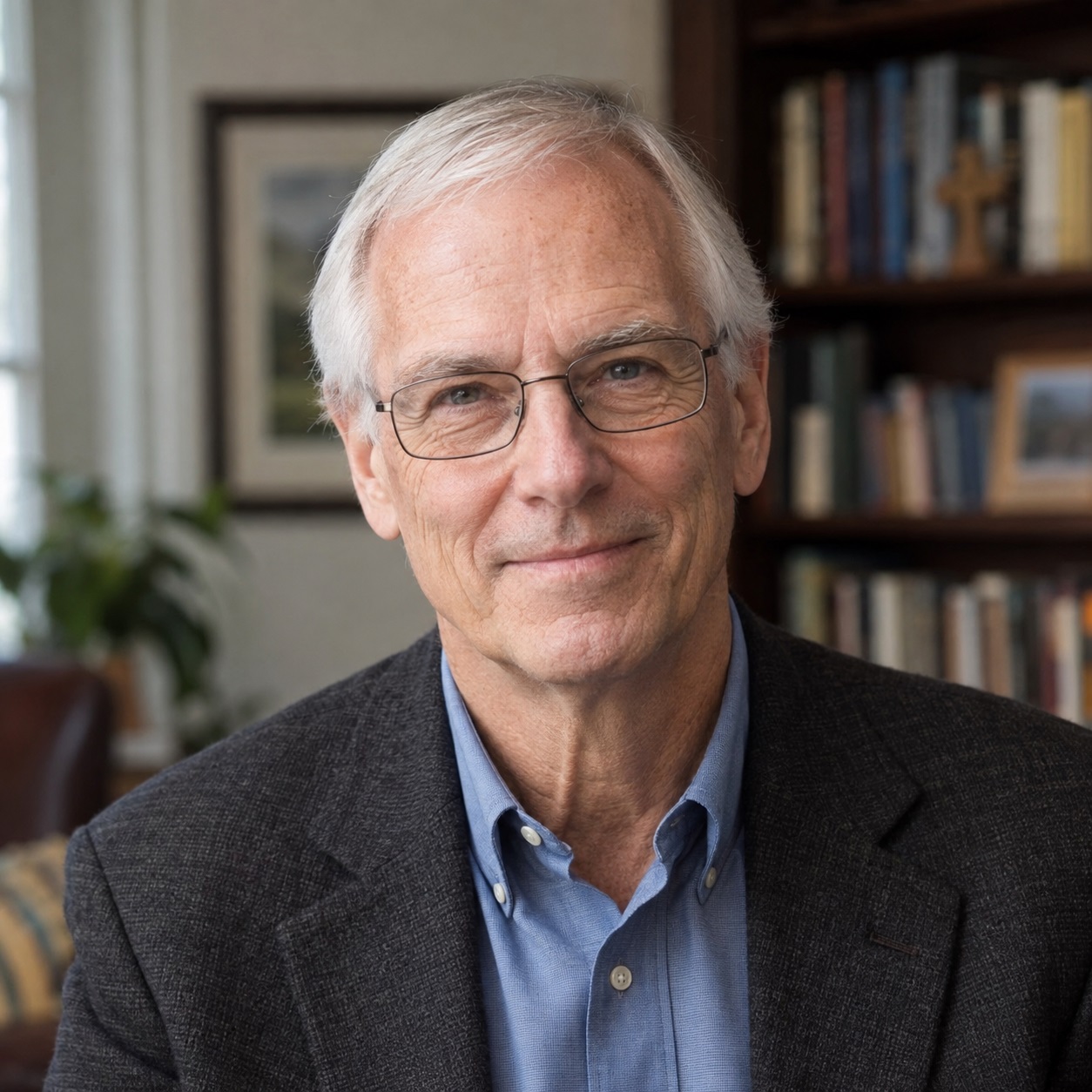
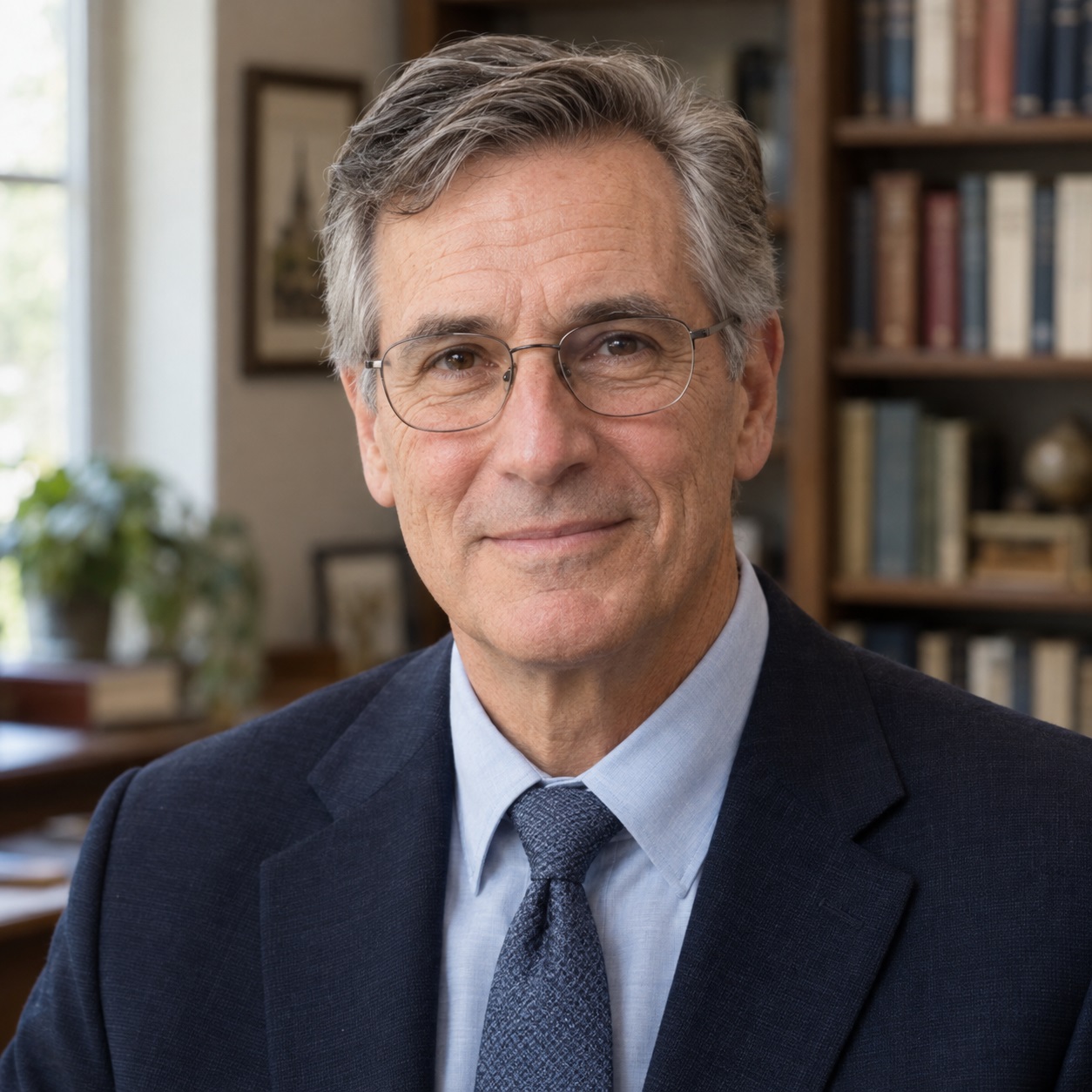
Dr. Jonathan P. Mercer

Dr. Jonathan P. Mercer

Dean of the School of Theology and Ministry

Academic fields: Systematic Theology, Pastoral Theology, Ministry Leadership

Dr. Jonathan Mercer serves as Dean of the School of Theology and Ministry. His academic interests include pastoral theology, Christian leadership, ecclesiology, and the relationship between theological formation and congregational life. He has extensive experience in pastoral ministry, theological education, curriculum development, and mentoring emerging Christian leaders.

Areas of teaching

  • Systematic Theology
  • Pastoral Theology
  • Christian Leadership
  • Ministry Formation
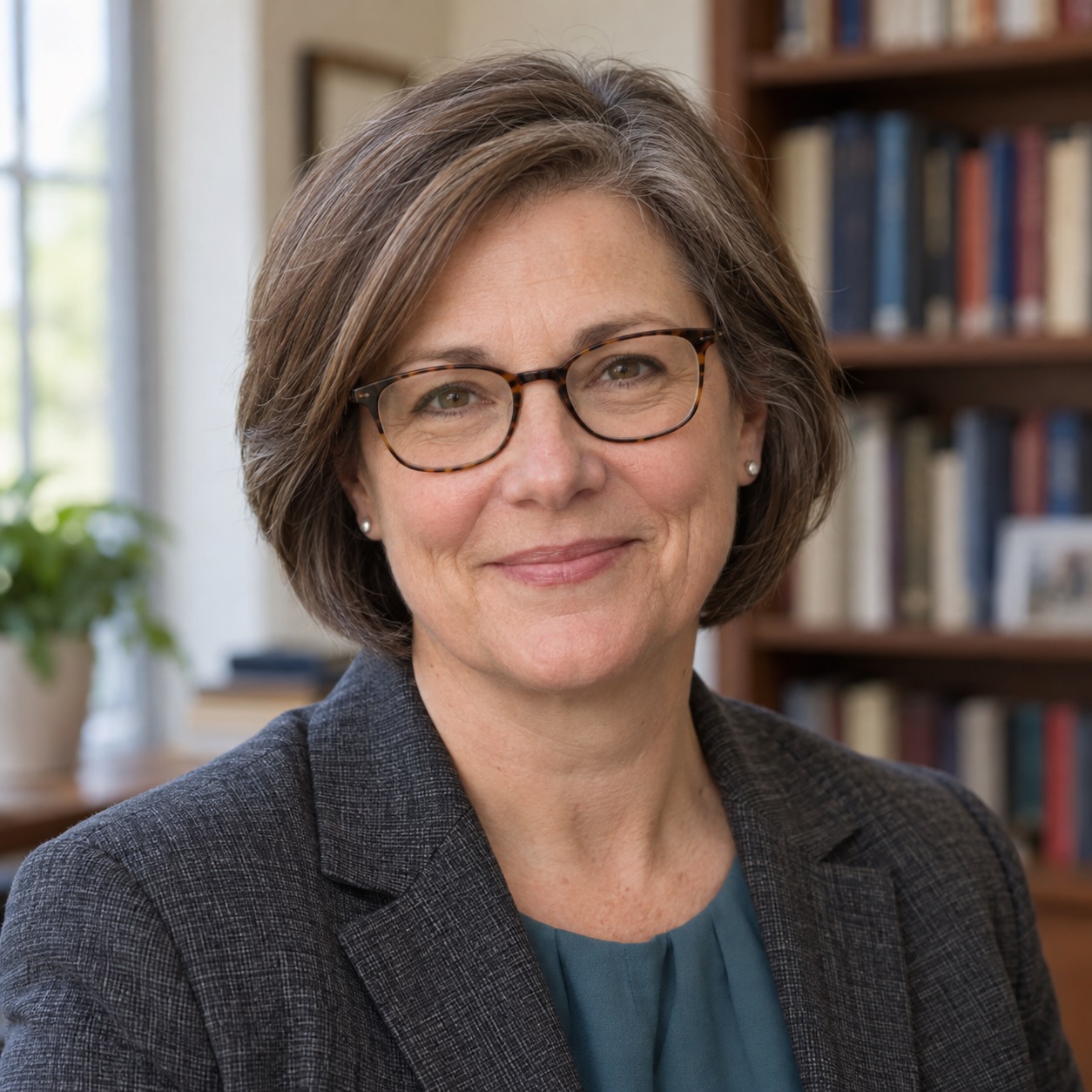
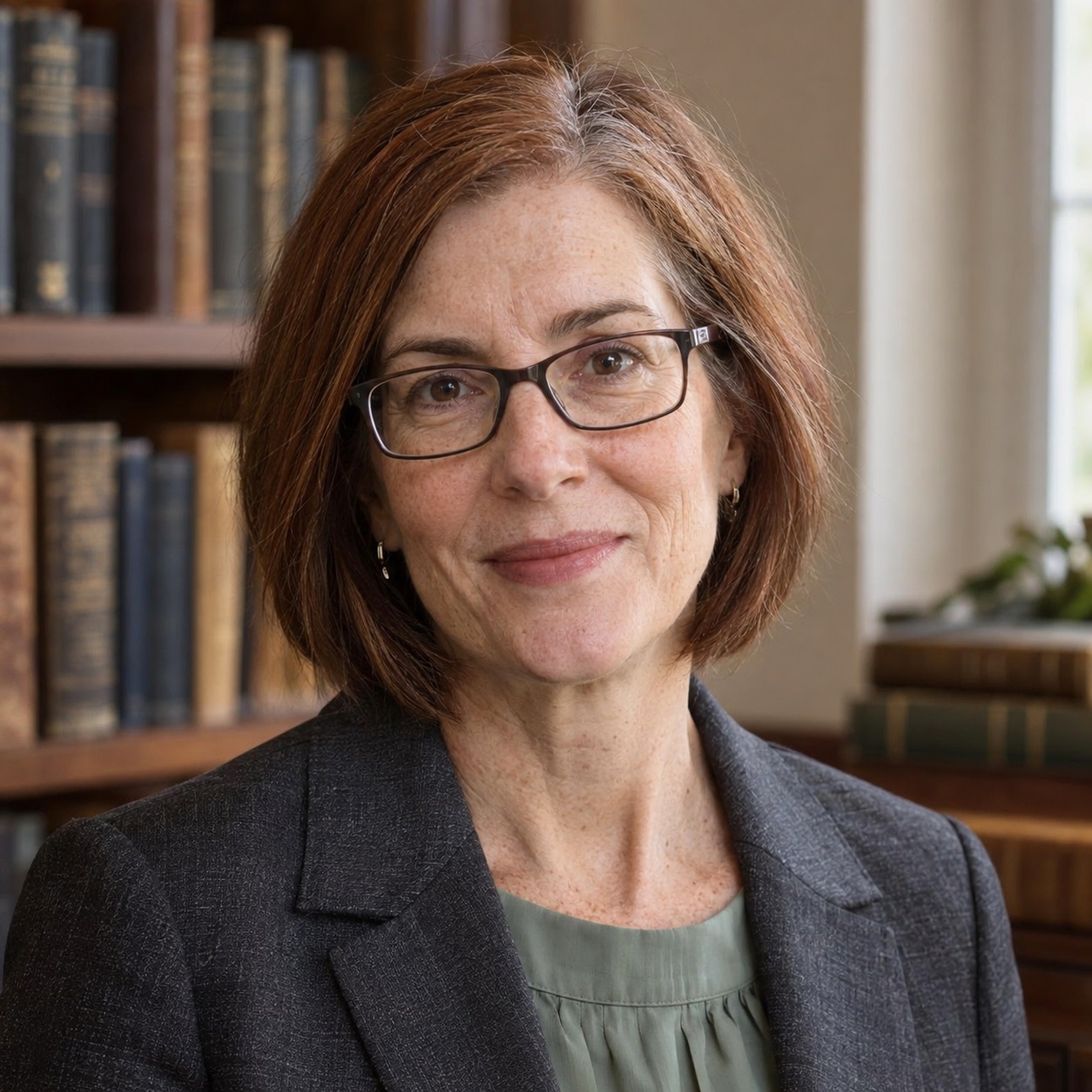
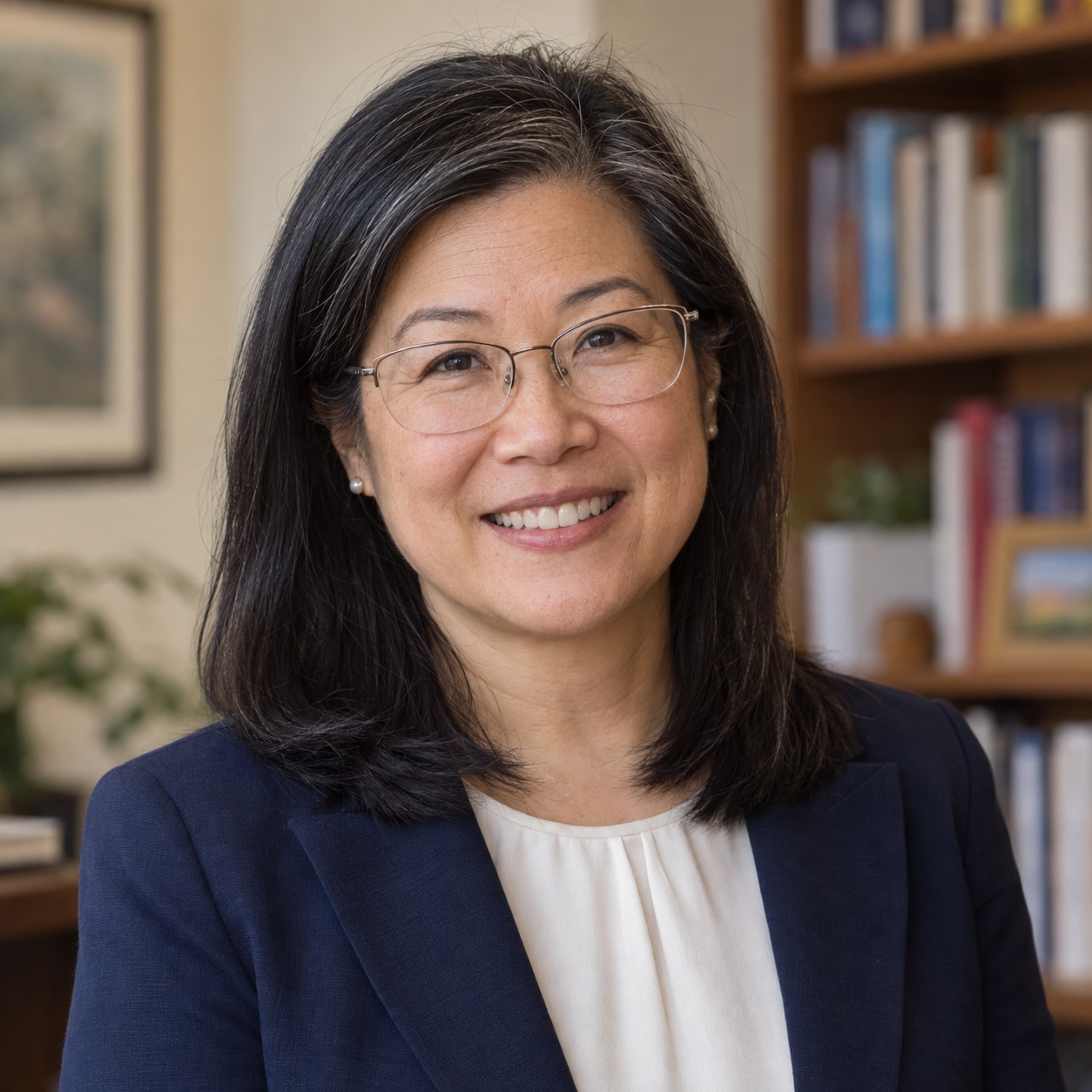
Dr. Rebecca L. Caldwell

Dr. Rebecca L. Caldwell

Associate Dean for Academic Affairs

Academic fields: Biblical Studies, Christian Education

Dr. Rebecca Caldwell oversees academic quality, curriculum review, and faculty development. Her teaching and research focus on biblical interpretation, Christian formation, and theological education. She is especially interested in helping students connect serious biblical study with faithful Christian practice.

Areas of teaching

  • Biblical Interpretation
  • Christian Education
  • Spiritual Formation
  • Academic Research

Biblical Studies

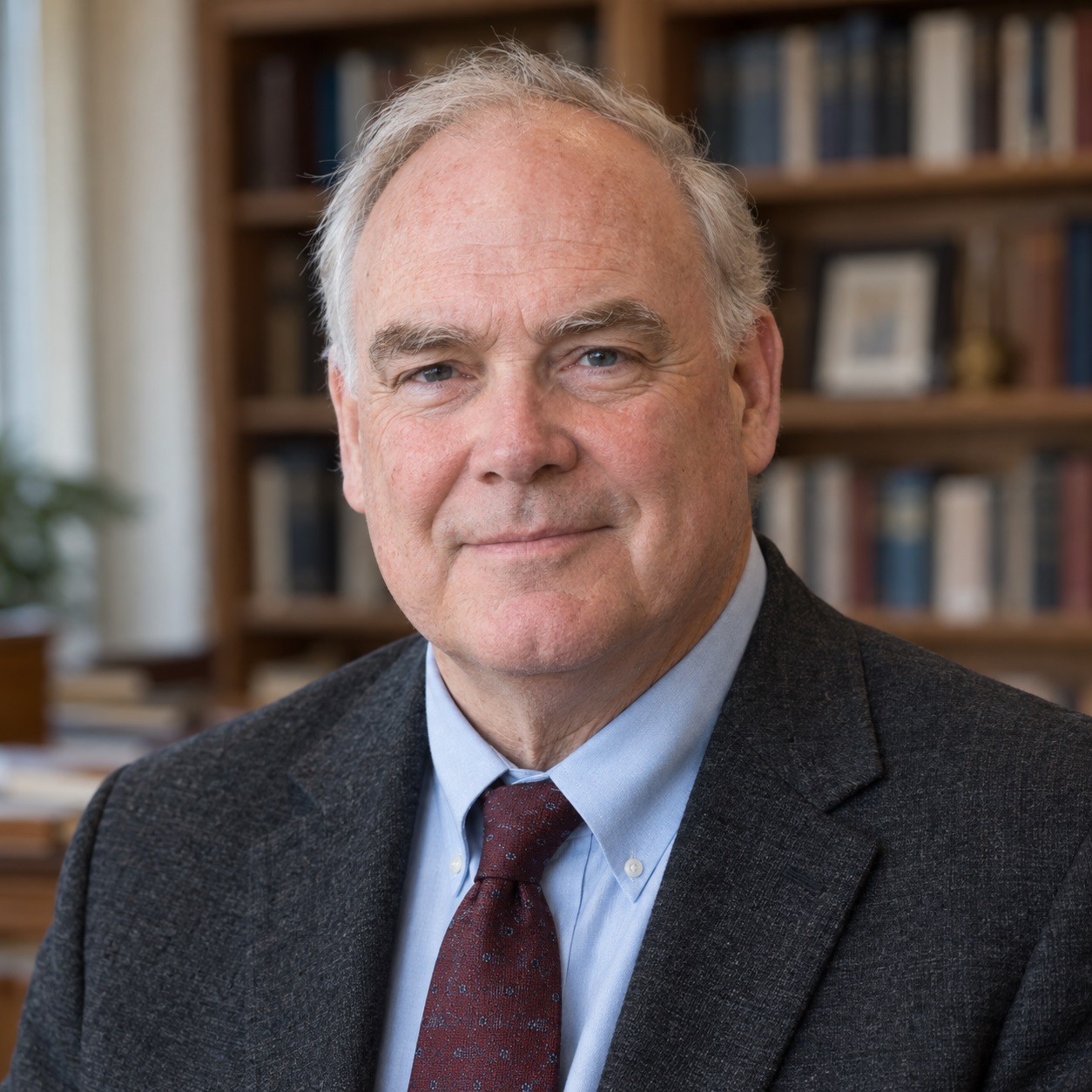
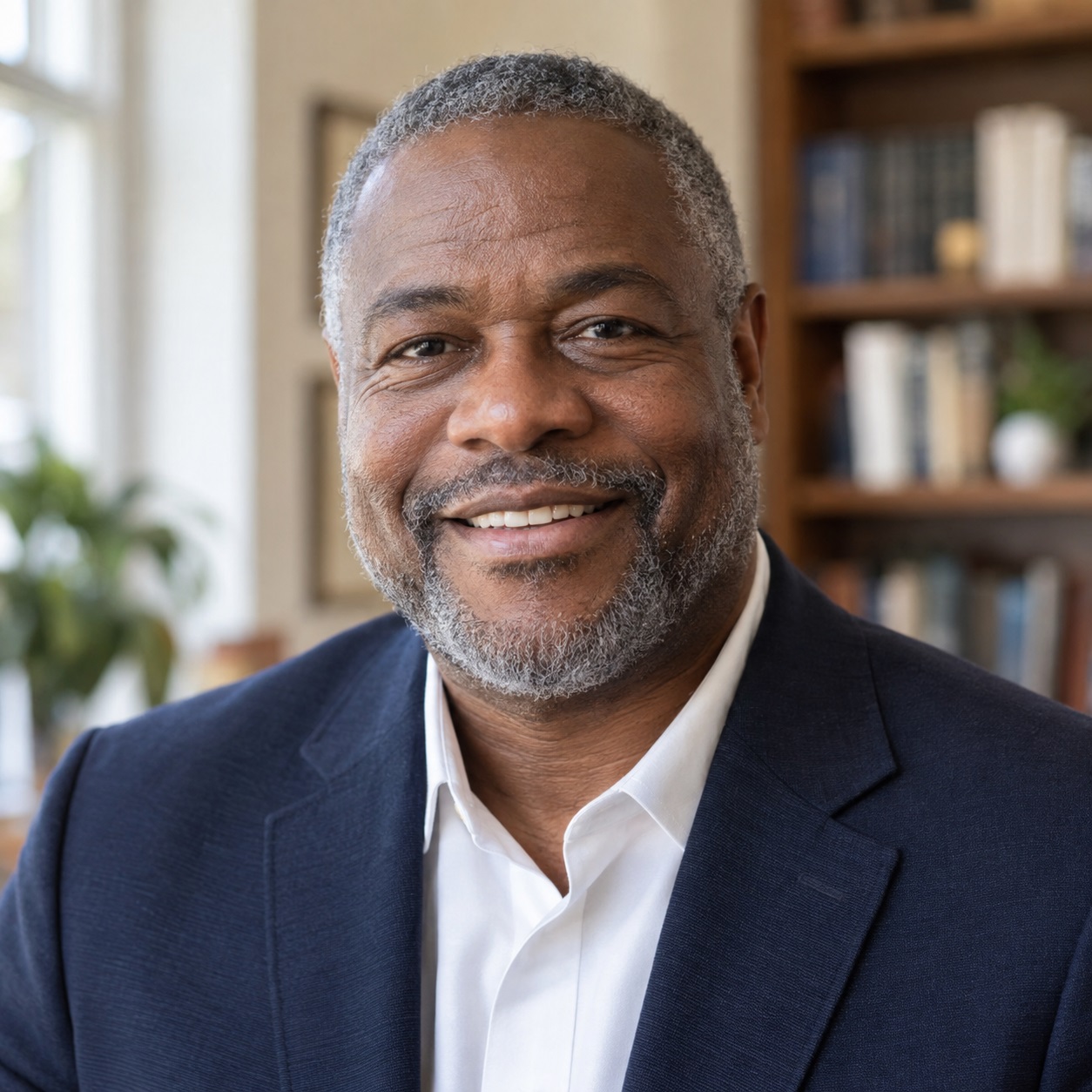
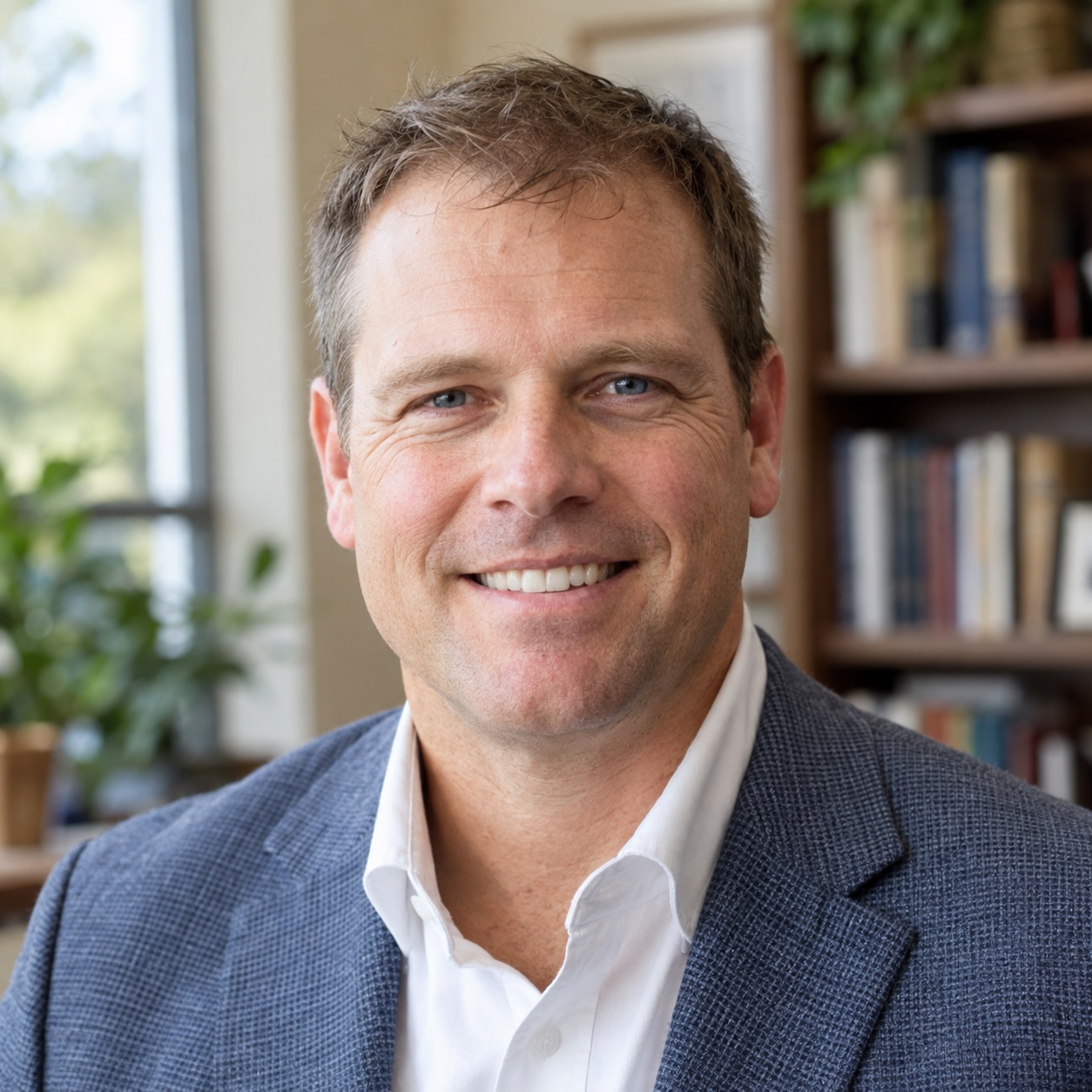
Dr. Nathaniel J. Brooks

Dr. Nathaniel J. Brooks

Professor of New Testament

Dr. Nathaniel Brooks specializes in New Testament studies, Pauline theology, and the historical context of early Christianity. His teaching emphasizes careful interpretation of Scripture, theological reflection, and responsible application of biblical texts within the life and mission of the Church.

Areas of teaching

  • New Testament
  • Pauline Studies
  • Biblical Hermeneutics
  • Early Christianity
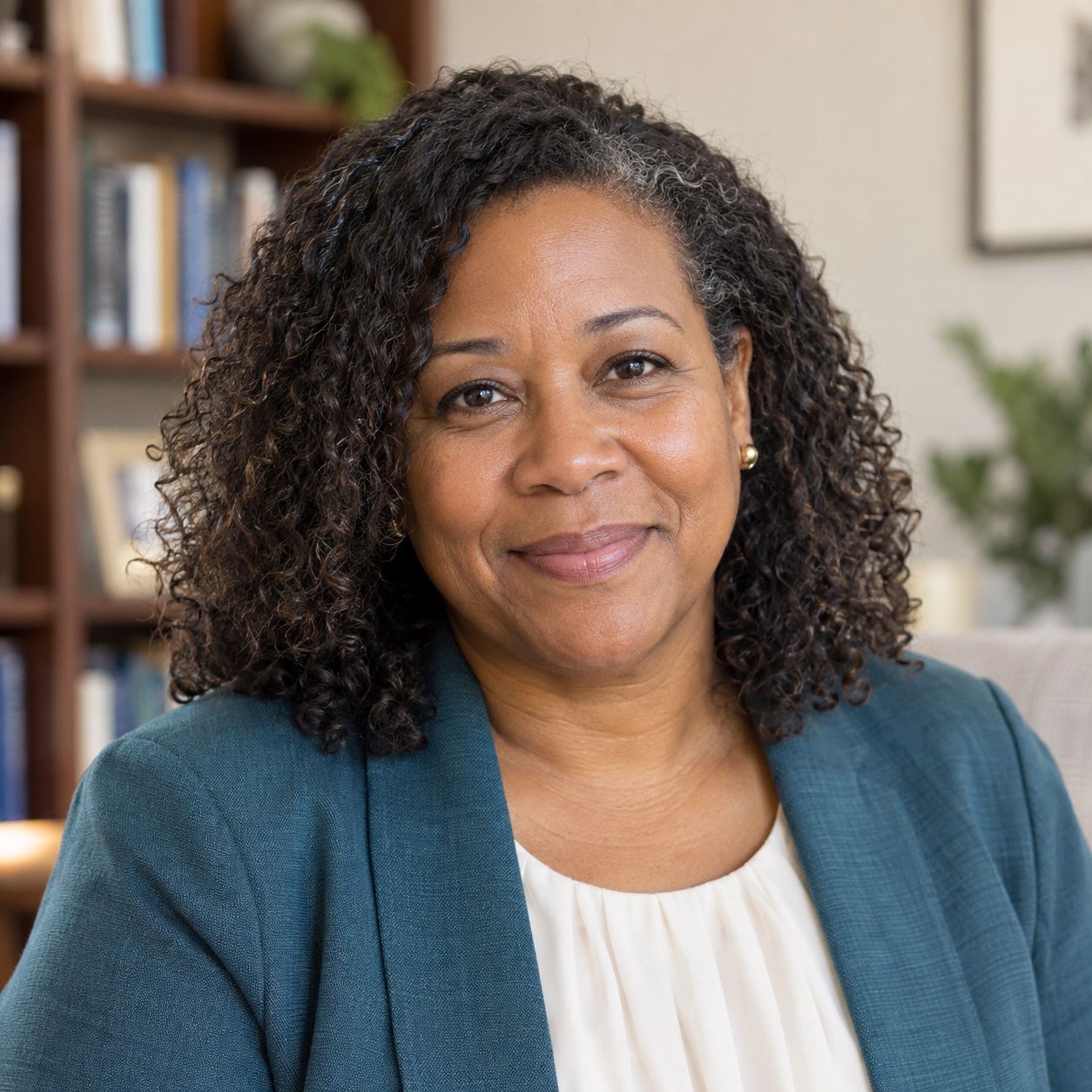
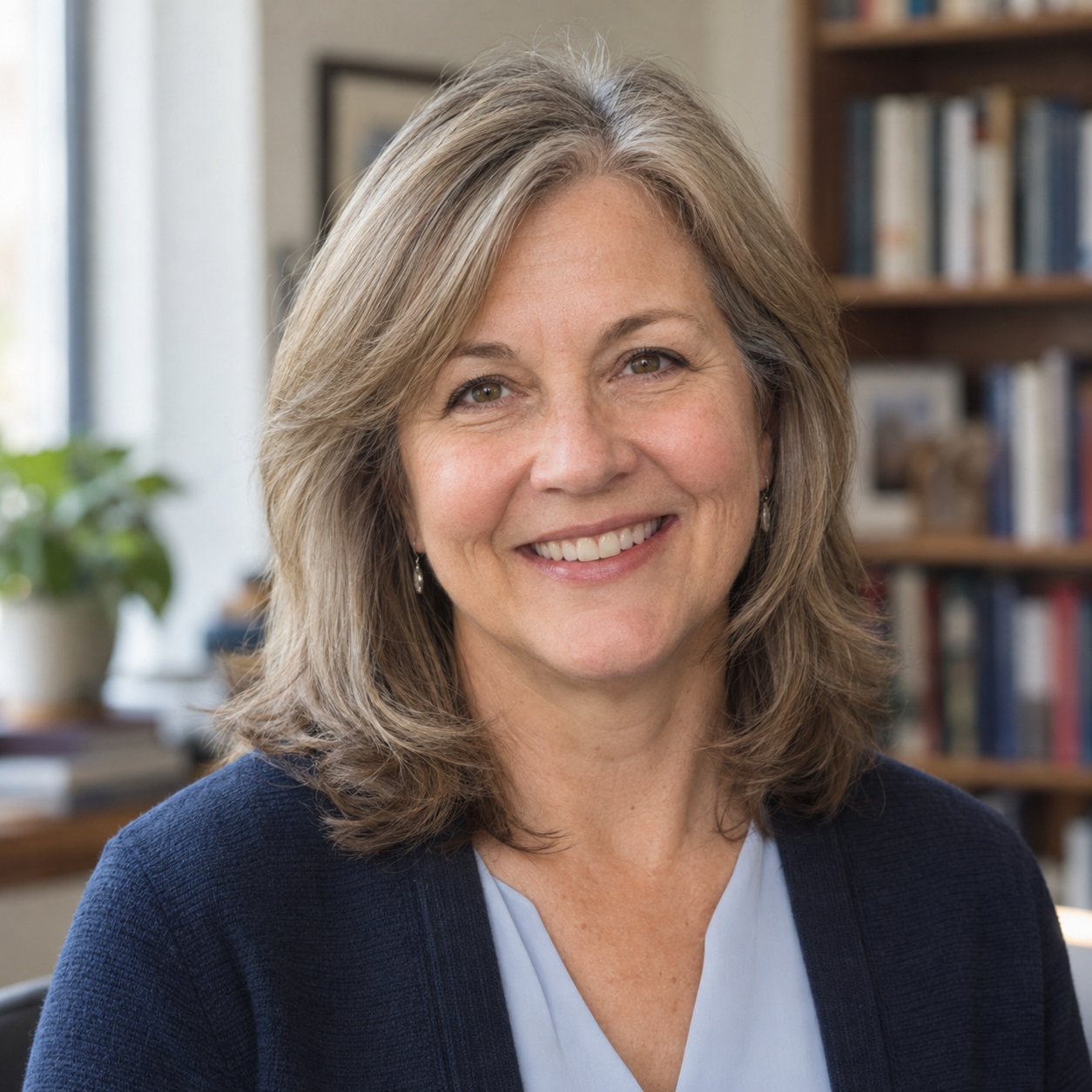
Dr. Hannah M. Collins

Dr. Hannah M. Collins

Professor of Old Testament

Dr. Hannah Collins teaches Old Testament, biblical theology, and Hebrew Bible interpretation. Her academic interests include wisdom literature, prophetic literature, covenant theology, and the theological unity of Scripture.

Areas of teaching

  • Old Testament
  • Biblical Theology
  • Prophetic Literature
  • Wisdom Literature

Theology & Church History

Dr. Andrew T. Lawson

Dr. Andrew T. Lawson

Professor of Systematic Theology

Dr. Andrew Lawson’s work focuses on Christian doctrine, theological method, Christology, ecclesiology, and the doctrine of God. He seeks to help students understand historic Christian theology while engaging thoughtfully with contemporary ministry questions.

Areas of teaching

  • Systematic Theology
  • Christology
  • Ecclesiology
  • Theology and Culture
Dr. Emily R. Whitaker

Dr. Emily R. Whitaker

Professor of Church History

Dr. Emily Whitaker teaches church history and historical theology. Her interests include the early Church, the Reformation, evangelical movements, and the development of Christian doctrine across different historical periods.

Areas of teaching

  • Church History
  • Historical Theology
  • Reformation Studies
  • Christian Traditions

Pastoral Ministry

Dr. Samuel R. Bennett

Dr. Samuel R. Bennett

Professor of Pastoral Ministry

Dr. Samuel Bennett brings substantial pastoral and ministry leadership experience to his teaching. His work focuses on preaching, pastoral care, church leadership, discipleship, and the practical responsibilities of Christian ministry.

Areas of teaching

  • Pastoral Ministry
  • Homiletics
  • Discipleship
  • Church Leadership
Dr. Michael E. Harper

Dr. Michael E. Harper

Professor of Practical Theology

Dr. Michael Harper teaches practical theology with particular attention to congregational leadership, ministry formation, preaching, and community engagement. His teaching integrates theological reflection with the realities of local church ministry.

Areas of teaching

  • Practical Theology
  • Preaching
  • Congregational Ministry
  • Ministry Formation

Christian Counseling & Care

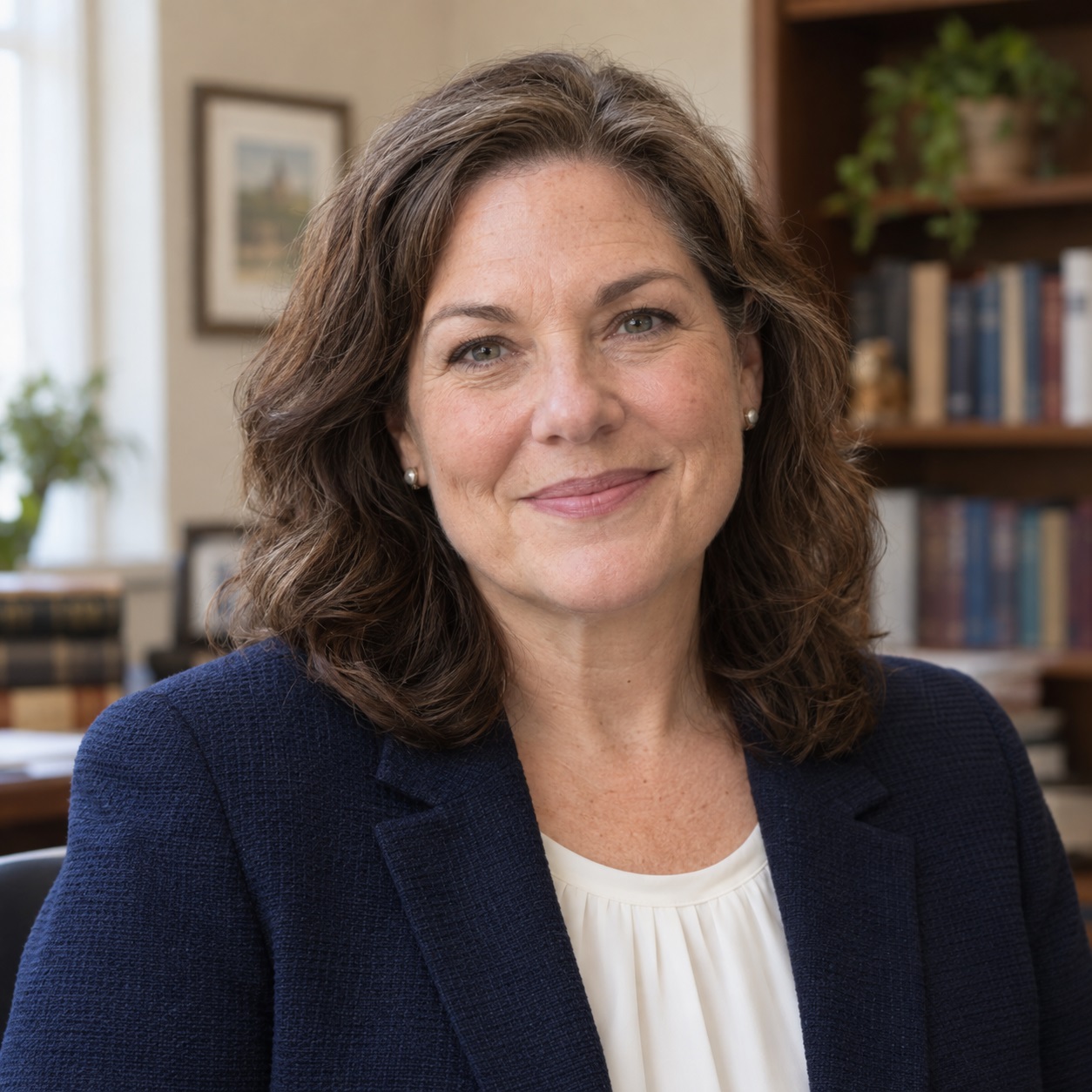
Dr. Rachel A. Monroe

Dr. Rachel A. Monroe

Professor of Christian Counseling

Dr. Rachel Monroe’s academic work explores pastoral care, Christian counseling, family ministry, and emotional and spiritual well-being. Her teaching emphasizes ethical care, theological reflection, and appropriate boundaries between pastoral ministry and licensed clinical practice.

Areas of teaching

  • Christian Counseling
  • Pastoral Care
  • Family Ministry
  • Crisis Ministry
Dr. Daniel W. Prescott

Dr. Daniel W. Prescott

Professor of Pastoral Care and Chaplaincy

Dr. Daniel Prescott specializes in pastoral care, chaplaincy, grief ministry, spiritual care, and ministry in institutional settings. His teaching prepares students to serve individuals and families with theological sensitivity and pastoral wisdom.

Areas of teaching

  • Chaplaincy
  • Pastoral Care
  • Grief and Loss
  • Spiritual Care

Missions & Evangelism

Dr. Grace E. Montgomery

Dr. Grace E. Montgomery

Professor of Missions and Global Christianity

Dr. Grace Montgomery teaches missions, global Christianity, intercultural ministry, and missiology. Her academic interests include the growth of Christianity across cultures, contextual ministry, and the changing shape of global Christian mission.

Areas of teaching

  • Missiology
  • Global Christianity
  • Intercultural Ministry
  • Mission Strategy
Dr. Thomas C. Ellison

Dr. Thomas C. Ellison

Professor of Evangelism and Church Planting

Dr. Thomas Ellison focuses on evangelism, church planting, congregational development, and ministry in changing cultural environments. He teaches students to approach Christian witness with biblical conviction, cultural awareness, and practical wisdom.

Areas of teaching

  • Evangelism
  • Church Planting
  • Ministry Strategy
  • Community Outreach

Christian Education & Leadership

Dr. Laura K. Reynolds

Dr. Laura K. Reynolds

Professor of Christian Education

Dr. Laura Reynolds teaches Christian education, curriculum development, discipleship, and adult learning. Her work focuses on how churches and Christian organizations can create effective environments for theological learning and spiritual formation.

Areas of teaching

  • Christian Education
  • Curriculum Development
  • Discipleship
  • Adult Learning

School of Theology and Ministry

Theological teaching across the whole curriculum.

Faculty work is organized around six connected areas of theological learning. Together, these disciplines support every bachelor’s, master’s, and doctoral pathway.

01

Biblical Studies & Languages

Old Testament, New Testament, hermeneutics, Hebrew, Greek, and biblical theology

02

Systematic & Historical Theology

Christian doctrine, ethics, apologetics, church history, and historical theology

03

Pastoral Ministry & Homiletics

Preaching, pastoral care, church leadership, ecclesiology, and ministry practice

04

Christian Counseling & Formation

Soul care, spiritual direction, discipleship, family ministry, and Christian formation

05

Mission & Intercultural Studies

Missiology, evangelism, intercultural ministry, world Christianity, and public witness

06

Worship & Christian Education

Worship theology, sacred music, catechesis, curriculum, and congregational learning

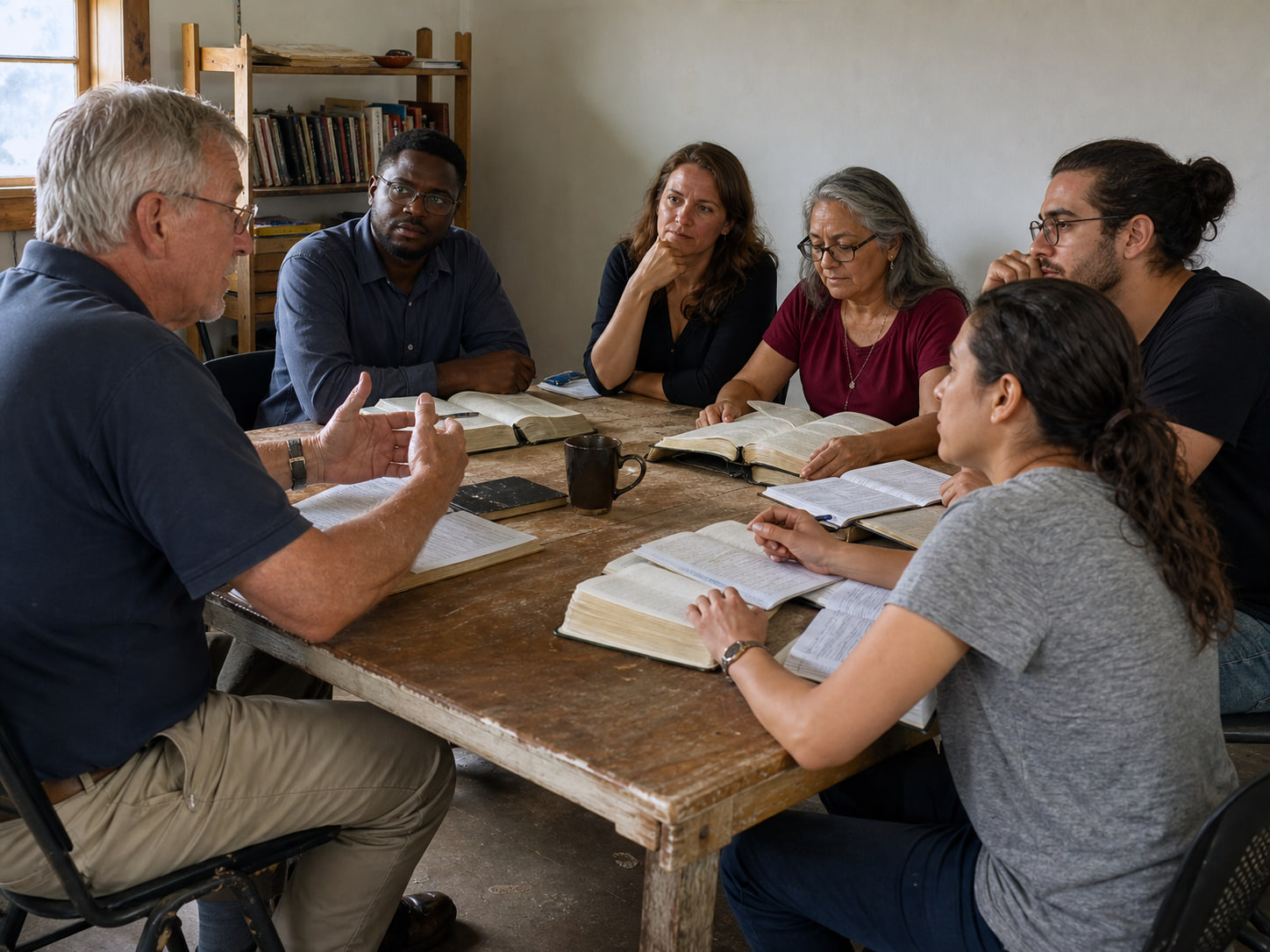
A theological educator leading an adult seminar discussion

A shared teaching vocation

Truth pursued in love.

01

Teach from a posture of biblical fidelity and historic Christian faith

02

Join academic rigor with spiritual maturity and pastoral wisdom

03

Design assessments around clear, program-specific learning outcomes

04

Help students connect theological study with their ministry context

Appointment standards

Who is permitted to teach.

Faculty do not only hold degrees. They hold the seminary’s confession and answer to its published academic standards.

Affirmation of the Statement of Faith

Every appointment affirms the ten articles and the ecumenical creeds. Doctrine here is taught from inside the confession, not merely about it.

Terminal qualification in the field

Faculty hold a doctoral or equivalent qualification in the discipline they author, and are appointed by the Academic Dean on the recommendation of the Faculty Senate.

Ministry experience, not only academic

Those who write pastoral and homiletical material have carried pastoral responsibility themselves. The seminary does not teach ministry from theory alone.

Accountability to published standards

Course outcomes, question banks, and pass marks are all published. Faculty work is reviewed against them by the Assessment Committee rather than held privately.

Faculty work

Where the teaching actually reaches you.

This is a competency-based seminary, so faculty influence arrives through what they write and what they set, rather than through a lecture hall.

Degree plans

Every pathway requirement group, credit weight, and learning outcome is authored and reviewed by faculty in the discipline.

Assessment banks

The question banks behind every ministry assessment are written, audited for quality, and published into pathway-specific browser banks from the authoritative assessment corpus.

Prior-learning review

Documented ministry service and previous study are read against published outcomes by faculty reviewers, and what is accepted is recorded.

Curriculum revision

Reading, sources, and course descriptions are revised on a regular cycle so the published plan matches what is actually assessed.

Study with purpose.

Explore the theological programs shaped by these faculty disciplines, from foundational biblical study to advanced ministry and doctoral research.