01
Scripture at the center
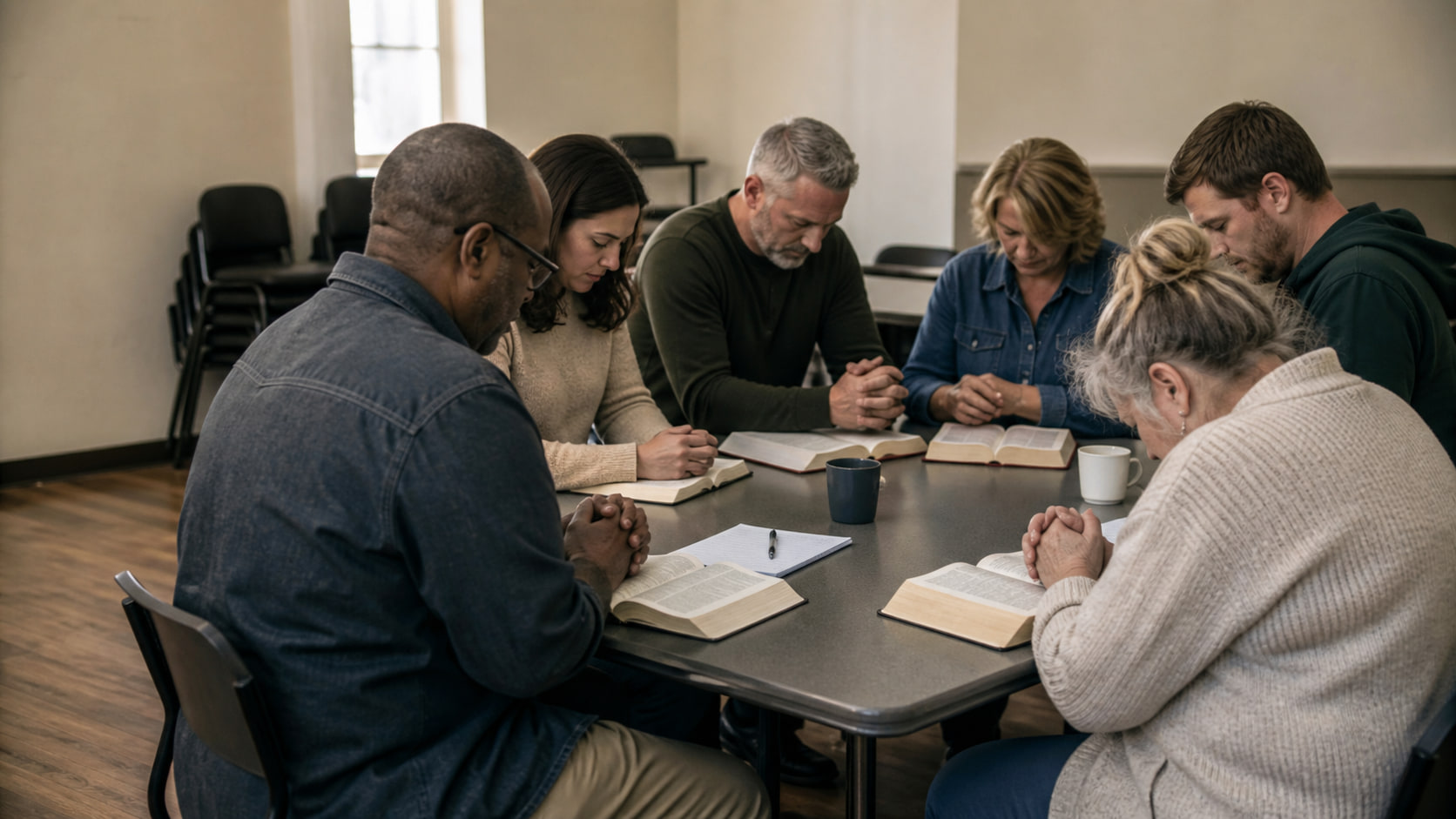
We receive the Old and New Testaments as the authoritative written Word of God and the foundation for theological learning.
About Life Seminary
Life Seminary is a single-purpose Christian seminary offering accessible, rigorous theological education for the whole church and the whole world.
Our mission
We equip women and men to know Scripture deeply, think theologically, grow in Christlike character, and serve the church and the world with faithfulness.
Our competency-based model lets students remain rooted in the congregations and communities where God has already called them. Every degree is offered through one focused School of Theology and Ministry.
Read our Statement of FaithFrom the President
“Do your best to present yourself to God as one approved, a worker who has no need to be ashamed, rightly handling the word of truth.”
2 Timothy 2:15
Some of the deepest learning in ministry happens far from a classroom. It happens beside a hospital bed, in a late-night conversation, and over a Bible opened again after everyone else has gone to sleep. Years of teaching, listening, and serving have shaped both what you know and who you are.
Perhaps you have dreamed of a theological degree while putting a congregation, a family, or another person's needs first. That hope still matters. There is dignity in bringing the learning of those years into the light and giving it a lasting academic record.
Life Seminary exists to make room for that journey. Through Competency-Based Ministry Assessment, we recognize demonstrated learning against published degree outcomes, drawing together theological understanding and ministry experience. You can pursue that recognition while remaining present among the people God has called you to serve.
Imagine your name on a degree that speaks to years of Scripture studied, questions wrestled with, and lessons carried into service. Let it mark a moment of gratitude for how far you have come, and renewed purpose for the work still ahead.
I invite you to bring your experience, your questions, and your hope to Life Seminary. Let us honor the learning already taking root in your ministry and encourage its continued growth. There is room here for your next chapter.

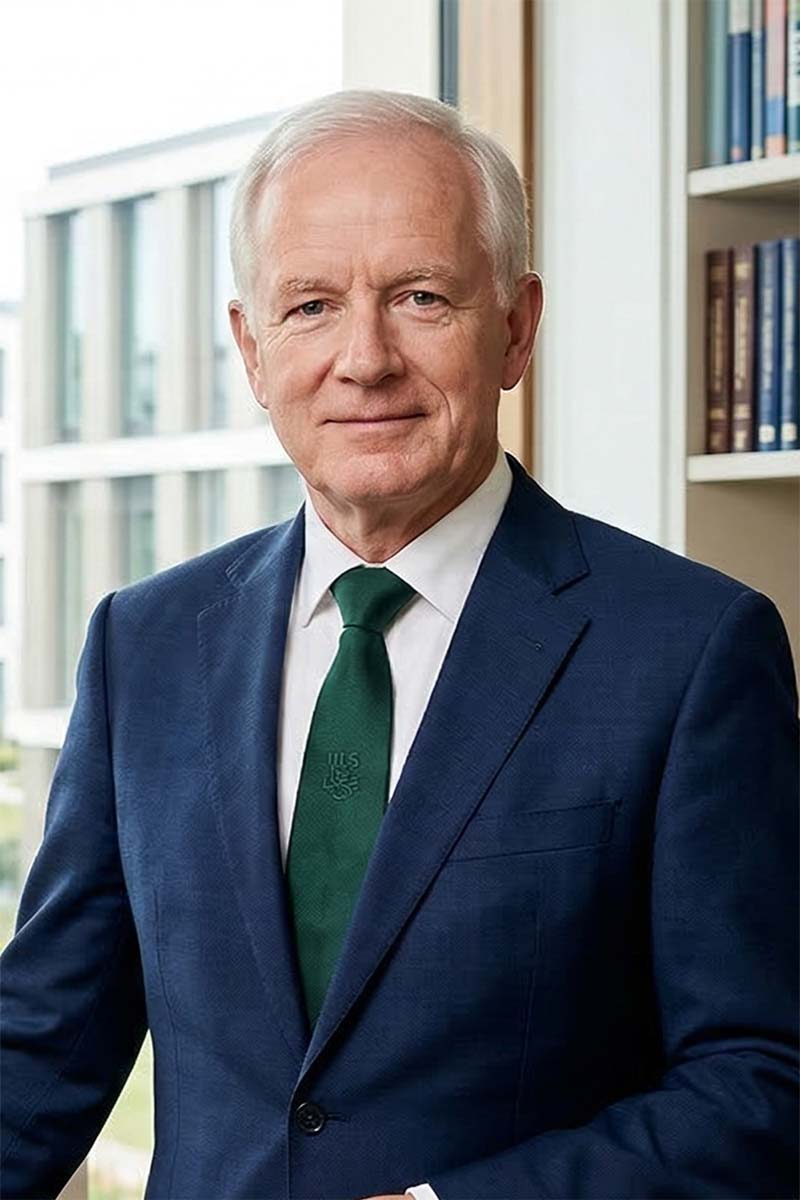
Arthur E. Kensington
President
Life Seminary
Our history
Life Seminary traces its origins to 1988, when a small Christian theological education initiative was established to provide accessible biblical and ministry training for pastors, church leaders, and adult learners.
The institution began with a simple mission: to make serious Christian education available to students whose ministry responsibilities, geographic location, or financial circumstances made traditional residential theological education difficult to access.
1988–1995
During its early years, Life Seminary focused primarily on biblical studies, pastoral ministry, Christian leadership, and theological formation.
Instruction was delivered through a combination of local teaching, independent study, ministry-based learning, and guided theological reading.
Early programs were designed especially for working pastors, lay leaders, missionaries, and students already serving in Christian ministry.
1996–2005
As demand for flexible theological education increased, Life Seminary expanded its curriculum beyond foundational biblical studies.
New areas of study included:
During this period, the Seminary increasingly served students outside its original local community.
The institution also began developing more structured academic policies, curriculum standards, and assessment procedures.
2006–2014
Advances in digital communication created new opportunities for theological education.
Life Seminary gradually incorporated online communication, electronic learning materials, and distance-based academic support into its programs.
This transition allowed students serving in churches, ministries, and mission contexts to pursue theological education without relocating.
The Seminary also expanded its emphasis on adult learners and ministry professionals whose prior education and practical experience formed an important part of their academic development.
2015–2019
Life Seminary entered a period of institutional modernization focused on:
The Seminary also began reorganizing its academic offerings around clearly defined degree pathways and theological fields.
This period established much of the academic framework later used in the institution’s fully digital model.
2020–2023
The rapid growth of online education accelerated Life Seminary’s transition toward a digital-first academic model.
Administrative processes, admissions, student communication, academic records, assessment, and credential services were increasingly moved online.
The Seminary continued to emphasize three institutional commitments:
2024–Present
Life Seminary now operates as a technology-enabled theological institution serving students through online academic and administrative systems.
Its contemporary academic model includes:
The Seminary continues to develop its programs around the needs of adult learners, Christian ministers, church leaders, and students seeking flexible theological education.
Since its founding, Life Seminary has sought to combine biblical faithfulness, academic accessibility, and practical ministry preparation.
While the tools used to deliver education have changed dramatically, the institution’s central purpose remains the same:
Formed in Scripture. Prepared for Service.
Life Seminary continues to develop its academic programs, institutional standards, and digital learning systems in service of Christian students and ministry leaders around the world.
Our theological identity
We receive the Old and New Testaments as the authoritative written Word of God and the foundation for theological learning.
We study in service of the gospel of Jesus Christ and the historic faith confessed by the church across generations.
Our programs prepare students to preach, teach, lead, counsel, worship, disciple, and participate faithfully in God’s mission.
Academic depth belongs together with prayer, Christian character, pastoral wisdom, and compassionate ministry.

Whole-person formation
Interpret Scripture attentively in its literary, historical, canonical, and theological contexts.
Engage Christian doctrine and the historic witness of the global church with clarity and charity.
Cultivate habits of worship, discernment, integrity, humility, and lifelong growth in Christ.
Apply learning in churches, ministries, workplaces, and communities with wisdom and courage.
30K+
Graduates Worldwide
190+
Countries Represented
182
Theological Degree Pathways
38+
Years of Excellence
Serving learners worldwide since 1988.
School of Theology and Ministry
Christian scholars and ministry leaders committed to biblical faithfulness, theological depth, and practical service.
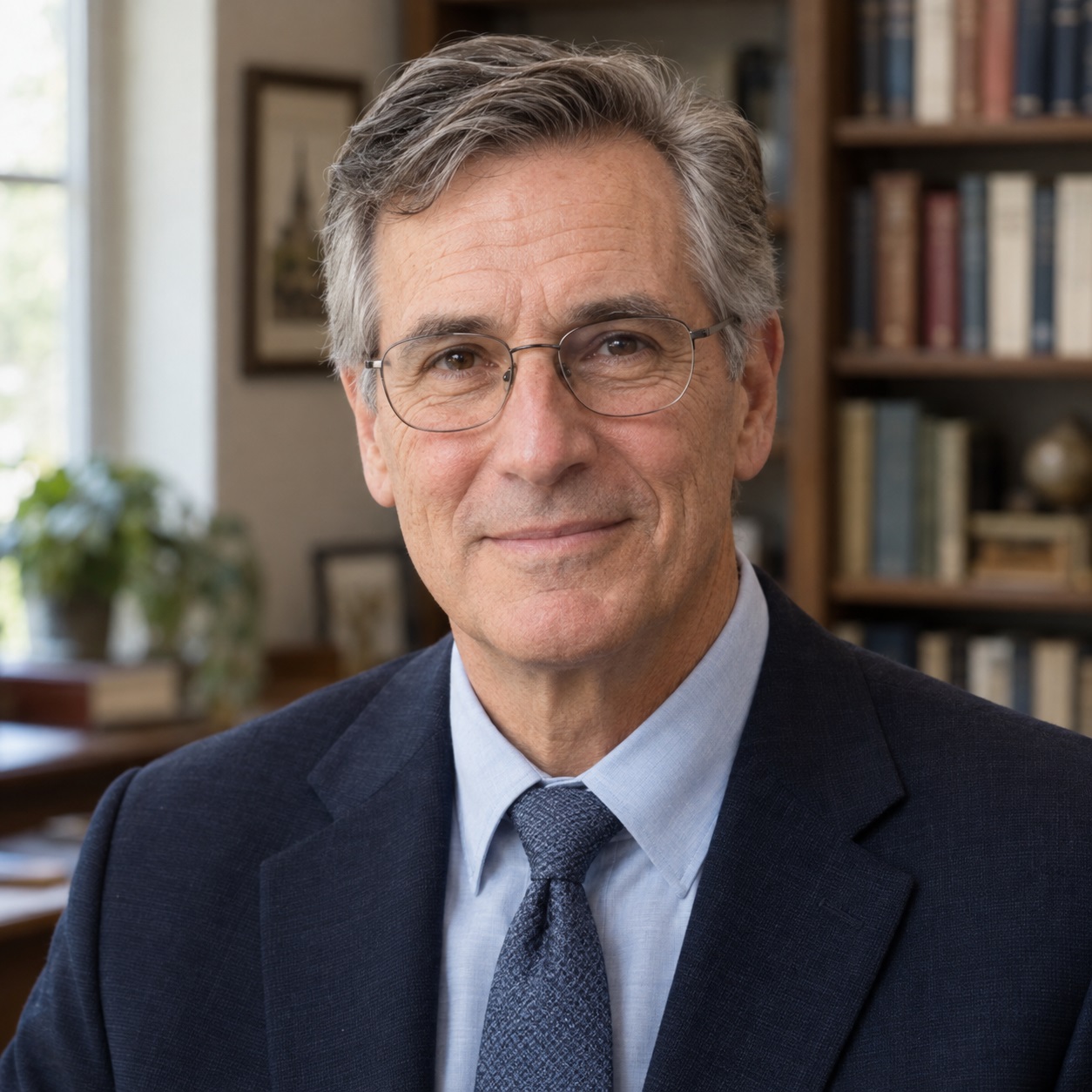
Dean of the School of Theology and Ministry
Academic fields: Systematic Theology, Pastoral Theology, Ministry Leadership
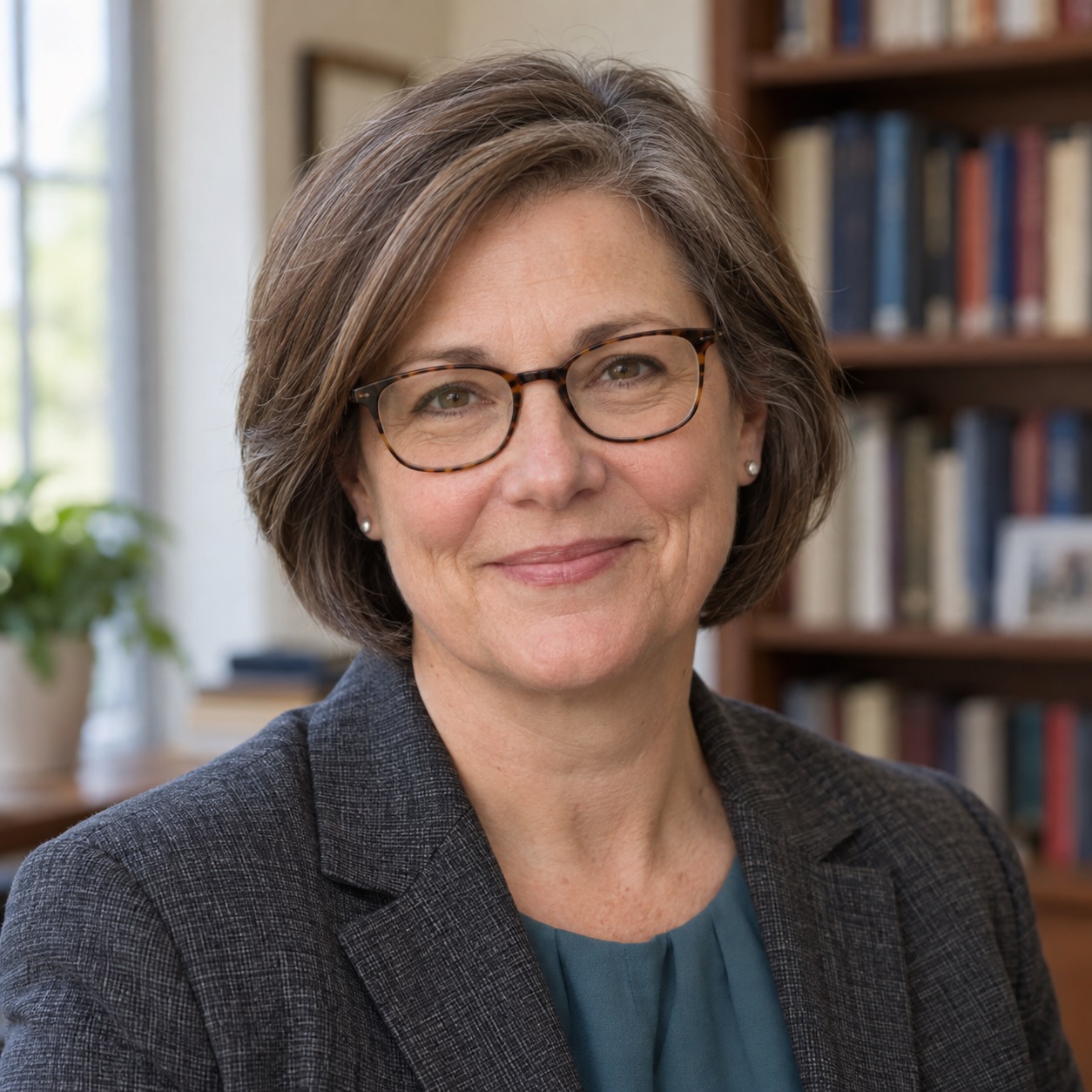
Dr. Jonathan Mercer serves as Dean of the School of Theology and Ministry. His academic interests include pastoral theology, Christian leadership, ecclesiology, and the relationship between theological formation and congregational life. He has extensive experience in pastoral ministry, theological education, curriculum development, and mentoring emerging Christian leaders.
Areas of teaching
Associate Dean for Academic Affairs
Academic fields: Biblical Studies, Christian Education
Dr. Rebecca Caldwell oversees academic quality, curriculum review, and faculty development. Her teaching and research focus on biblical interpretation, Christian formation, and theological education. She is especially interested in helping students connect serious biblical study with faithful Christian practice.
Areas of teaching
Meet the scholars, pastors, and educators serving across biblical studies, theology, church history, pastoral ministry, Christian care, missions, education, and leadership.
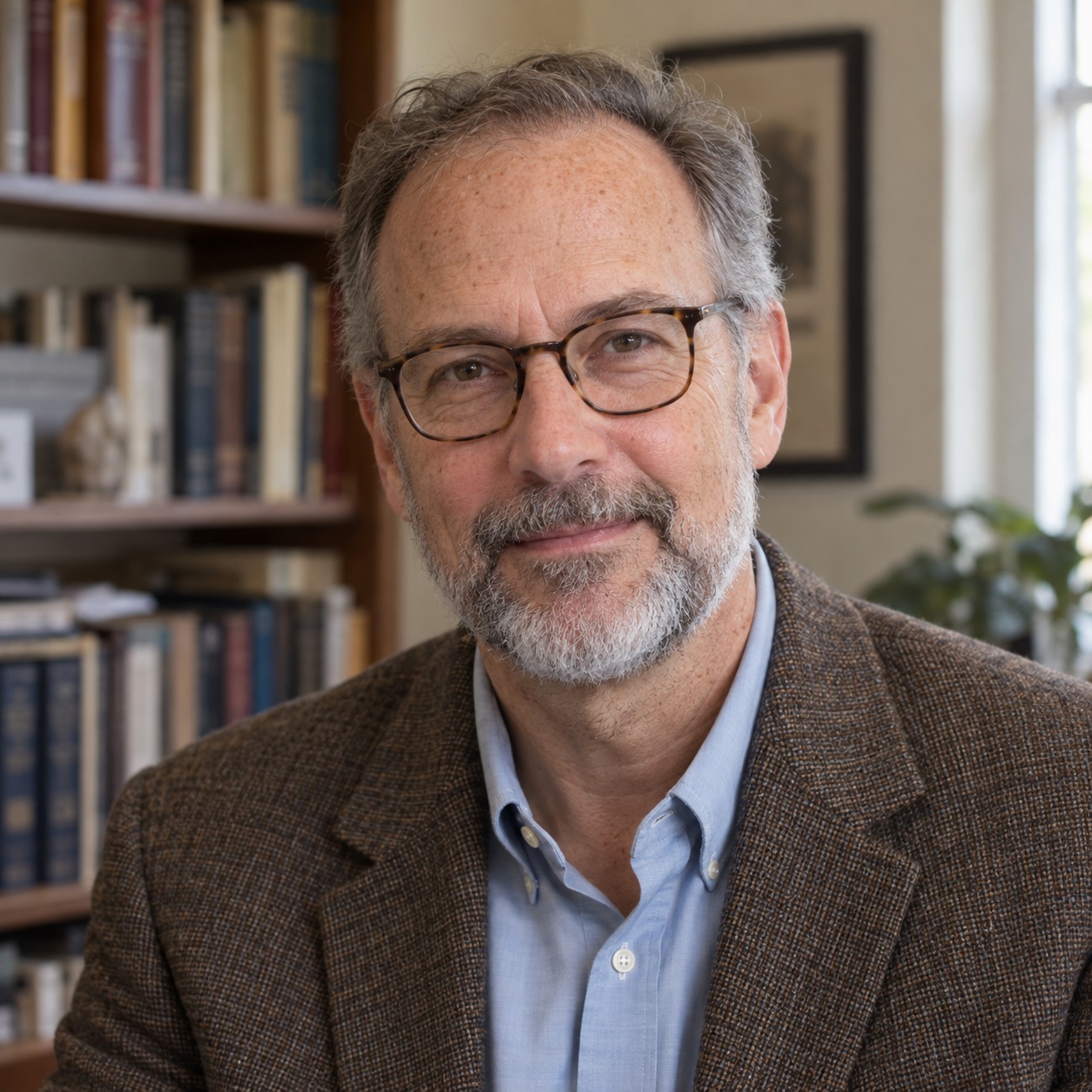
Dr. Nathaniel J. Brooks
Professor of New Testament
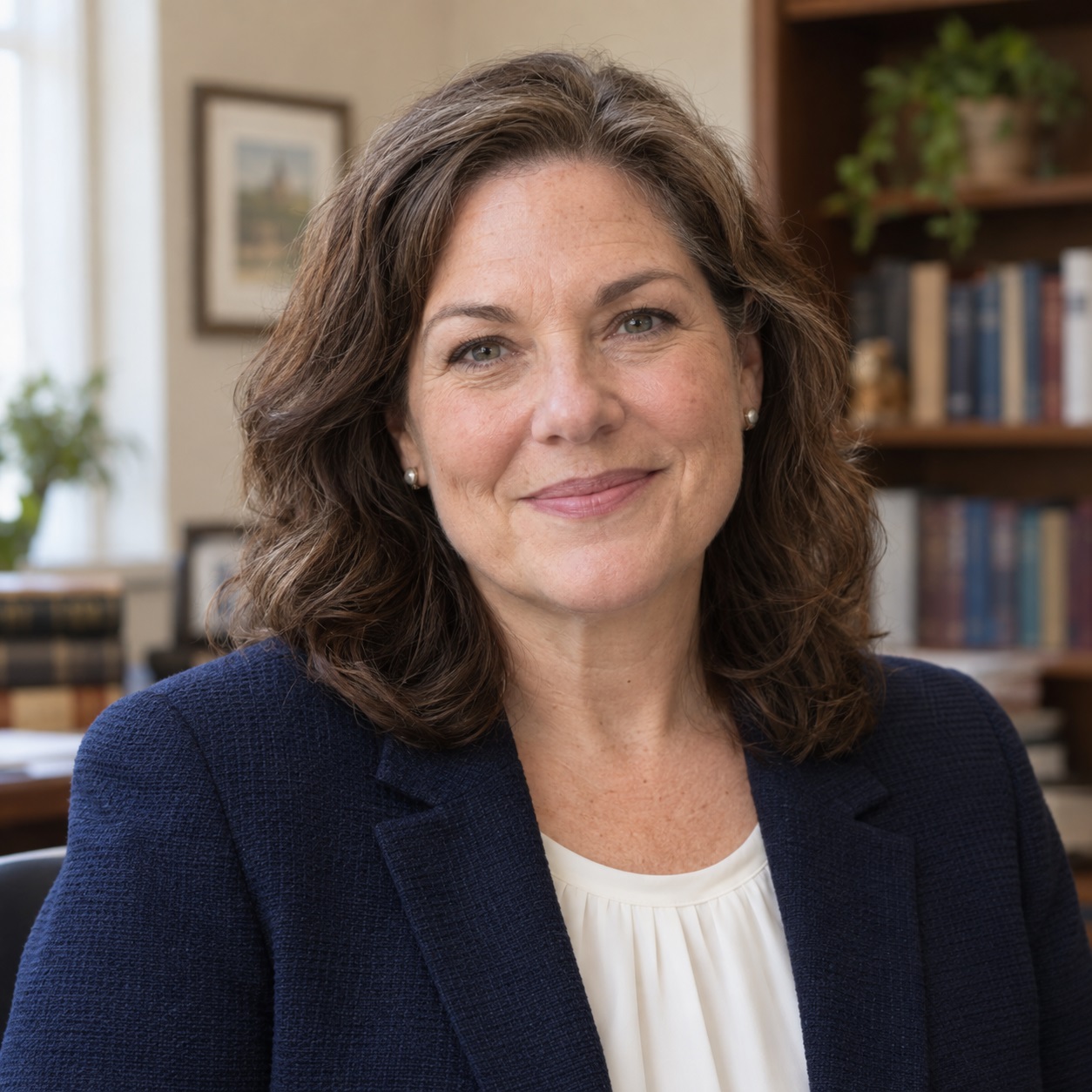
Dr. Hannah M. Collins
Professor of Old Testament
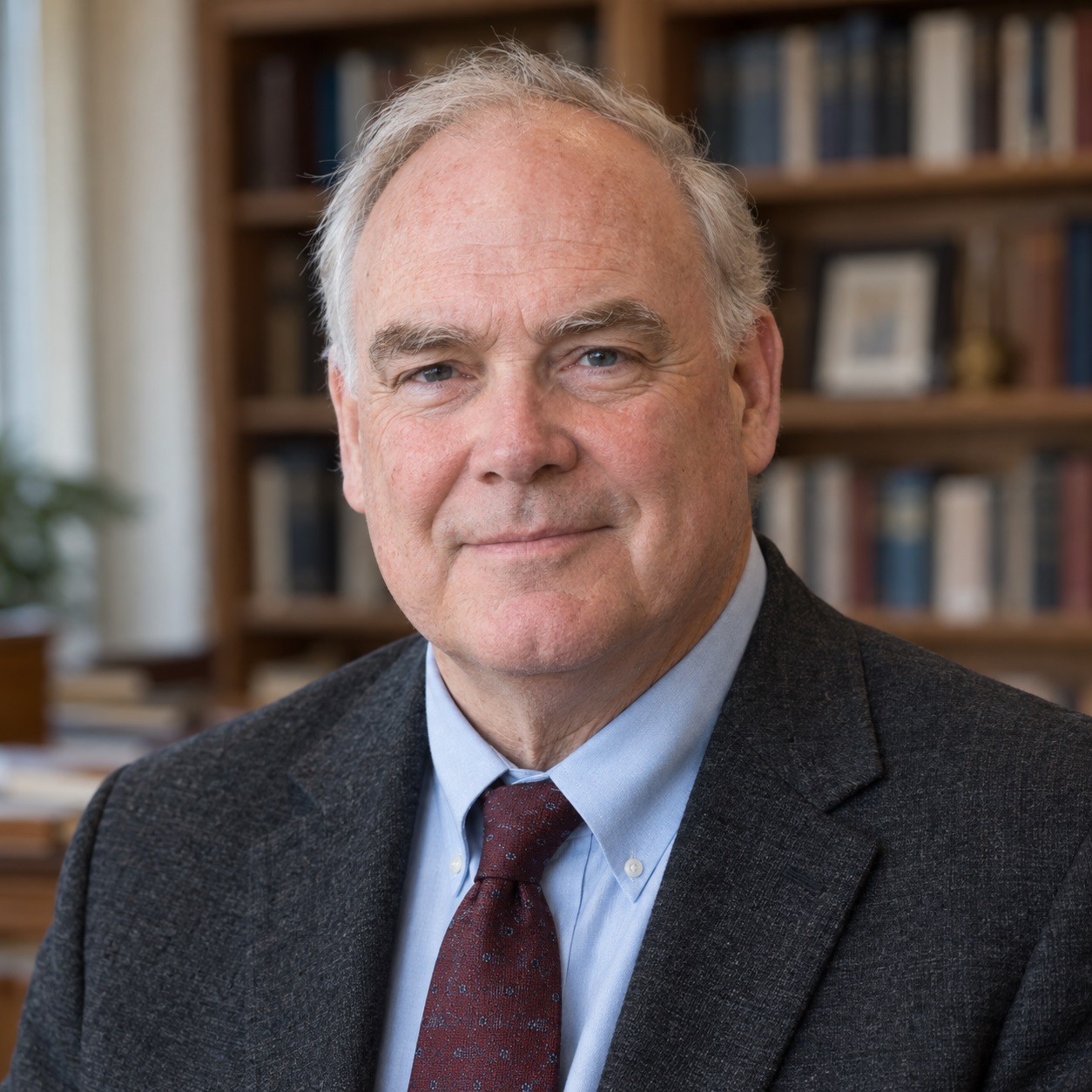
Dr. Andrew T. Lawson
Professor of Systematic Theology
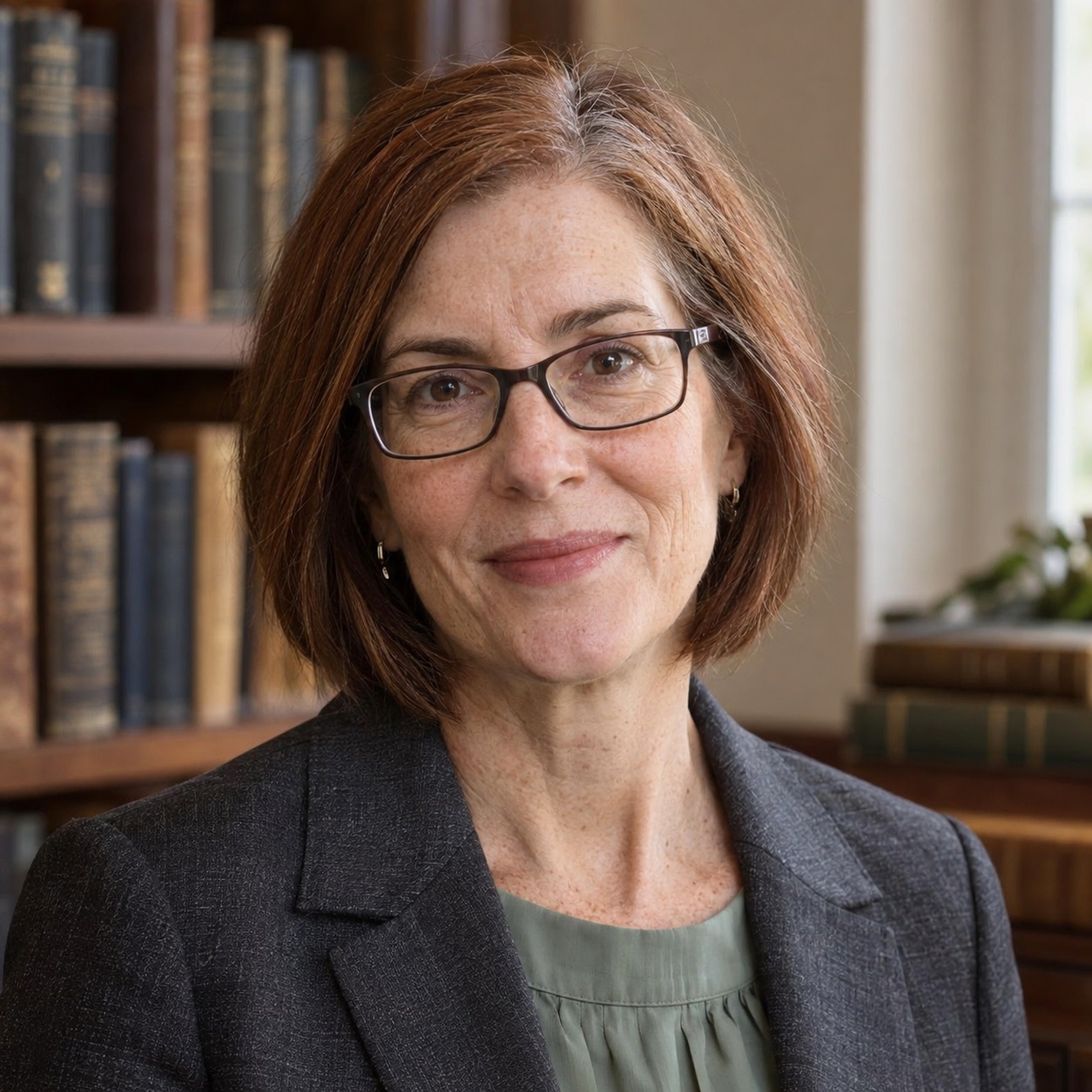
Dr. Emily R. Whitaker
Professor of Church History
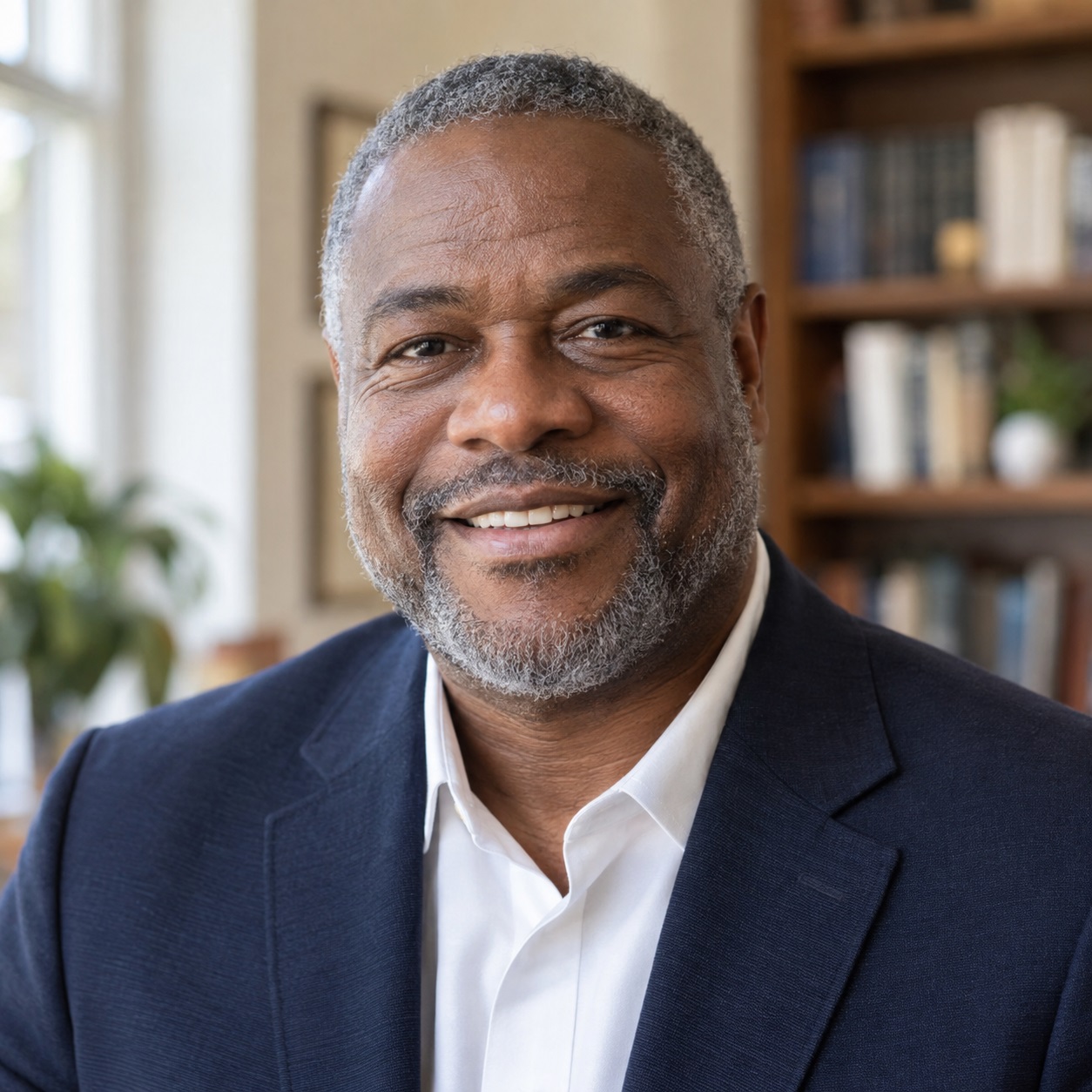
Dr. Samuel R. Bennett
Professor of Pastoral Ministry
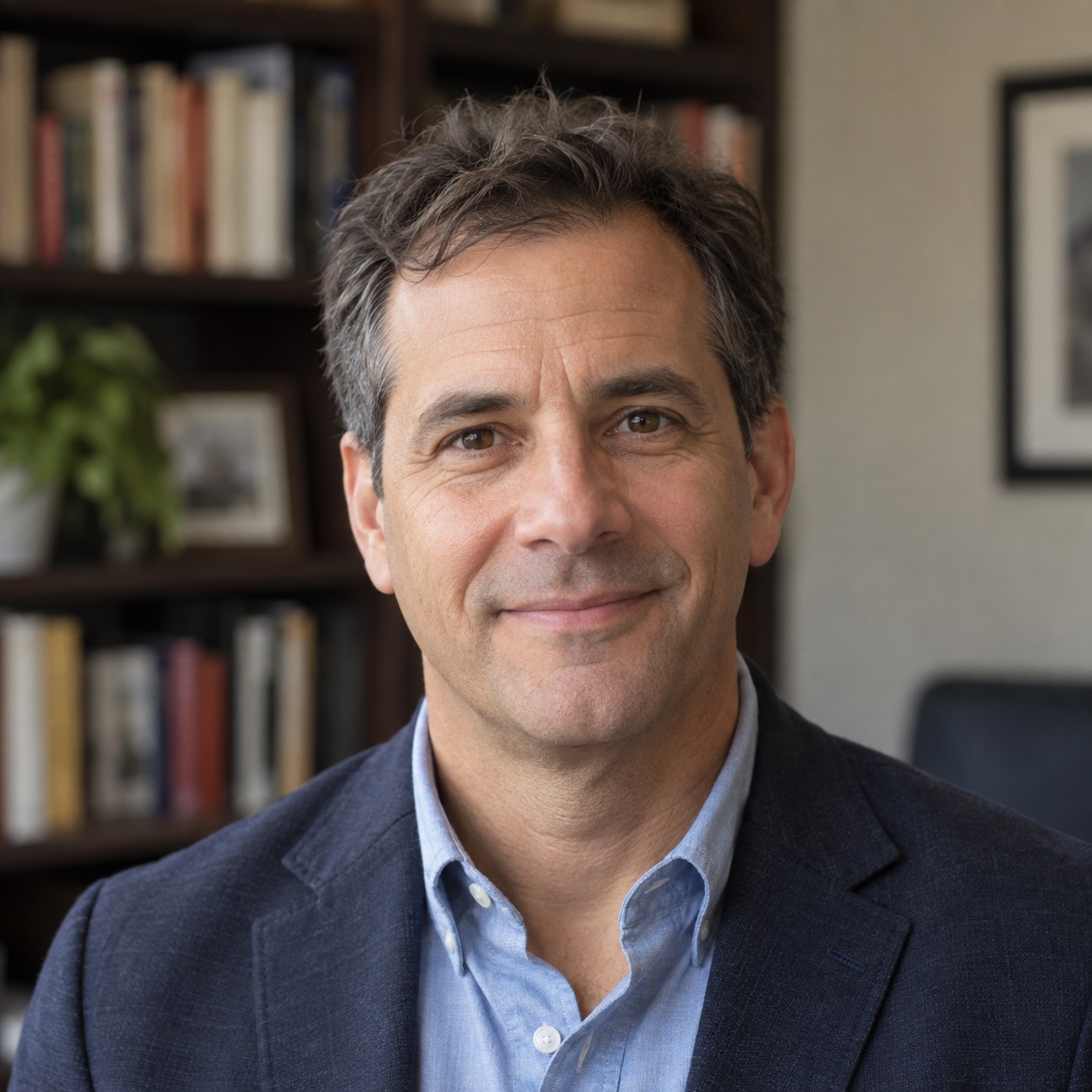
Dr. Michael E. Harper
Professor of Practical Theology
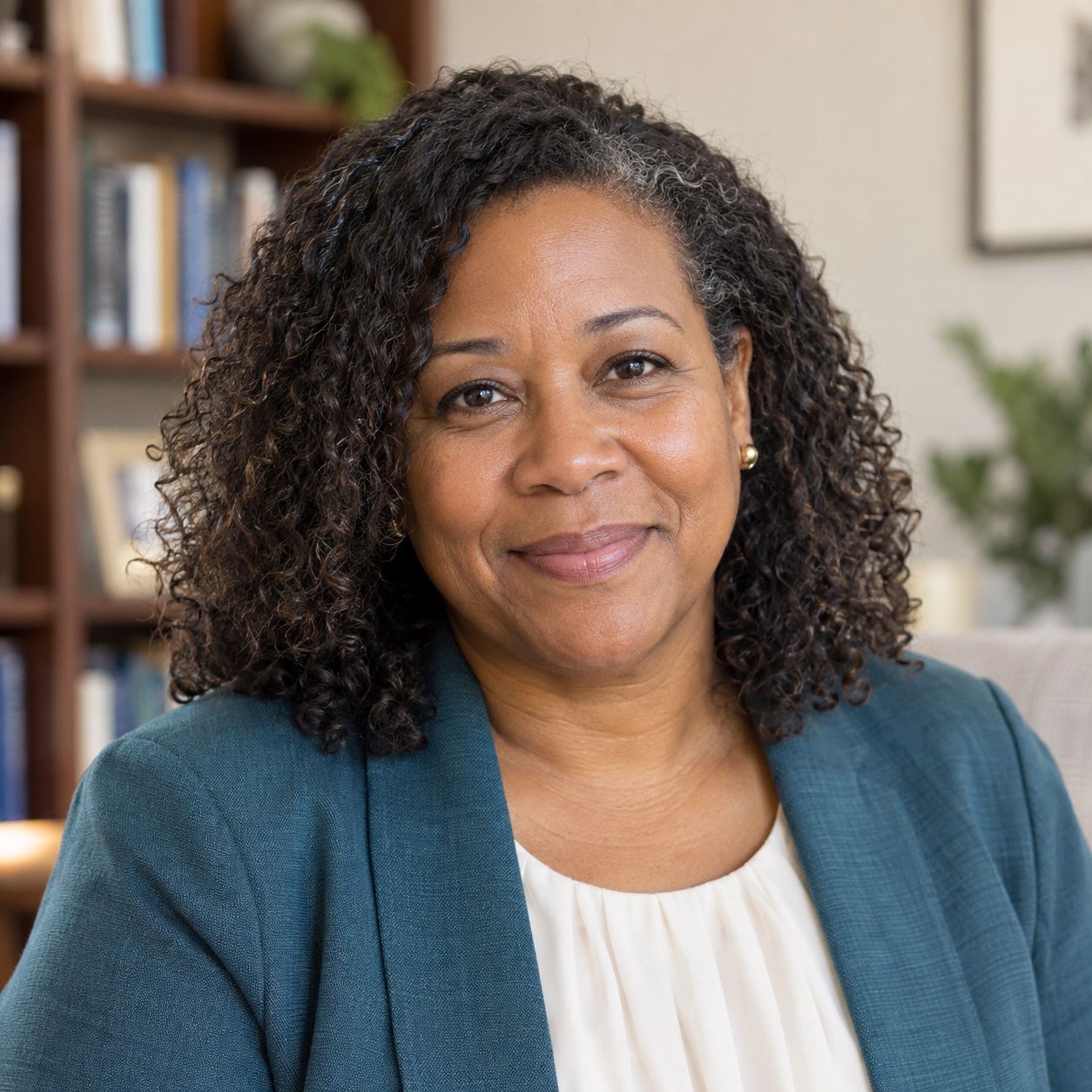
Dr. Rachel A. Monroe
Professor of Christian Counseling
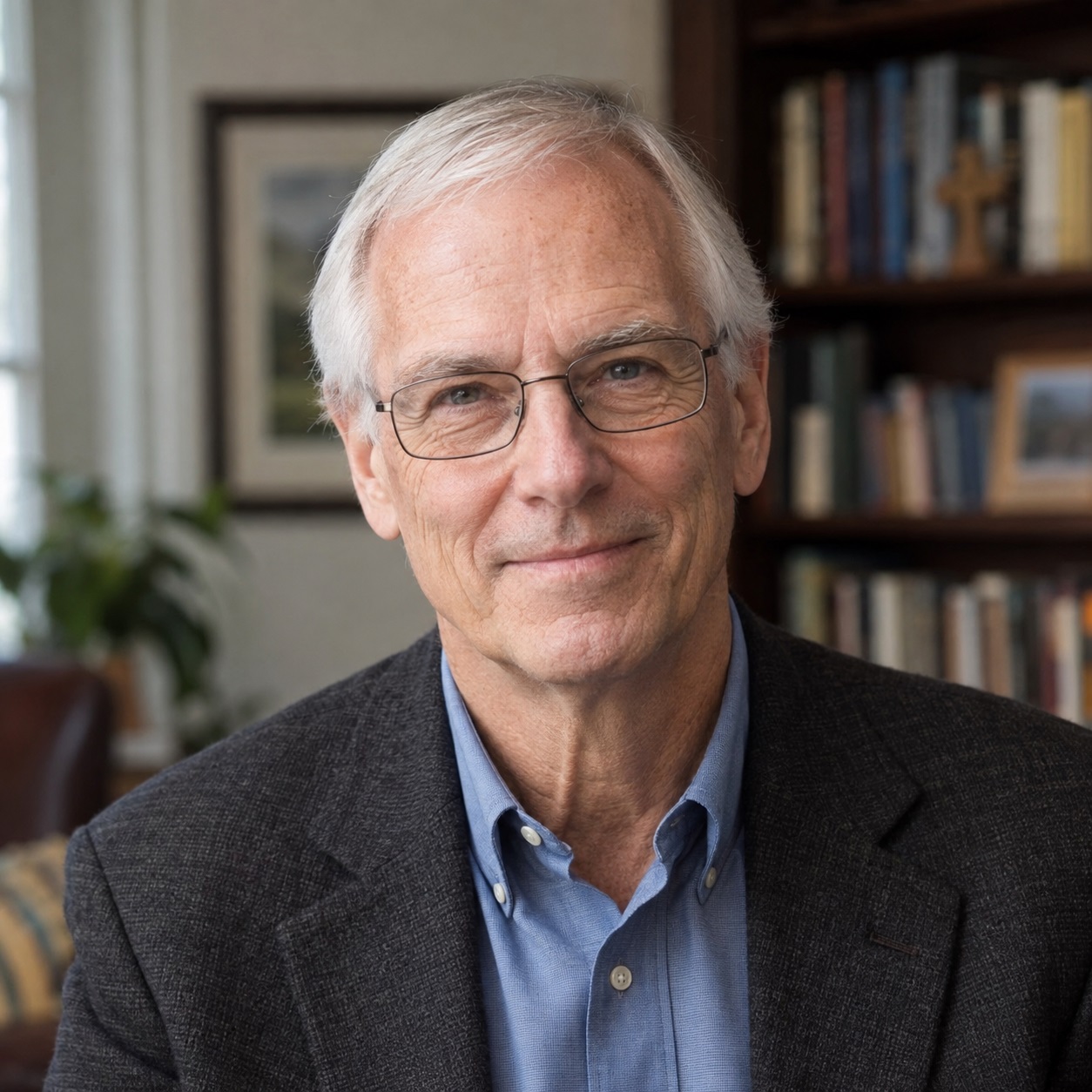
Dr. Daniel W. Prescott
Professor of Pastoral Care and Chaplaincy
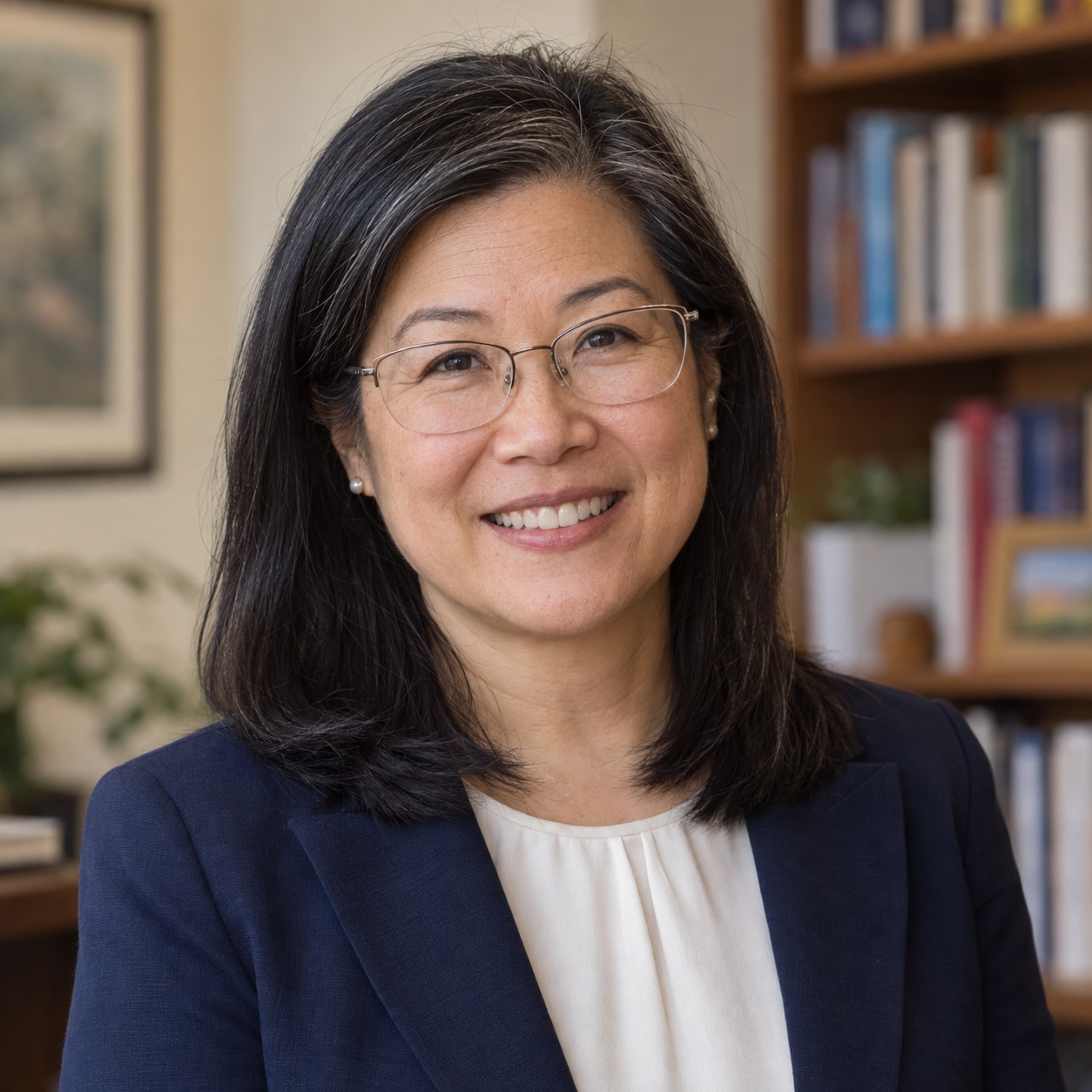
Dr. Grace E. Montgomery
Professor of Missions and Global Christianity
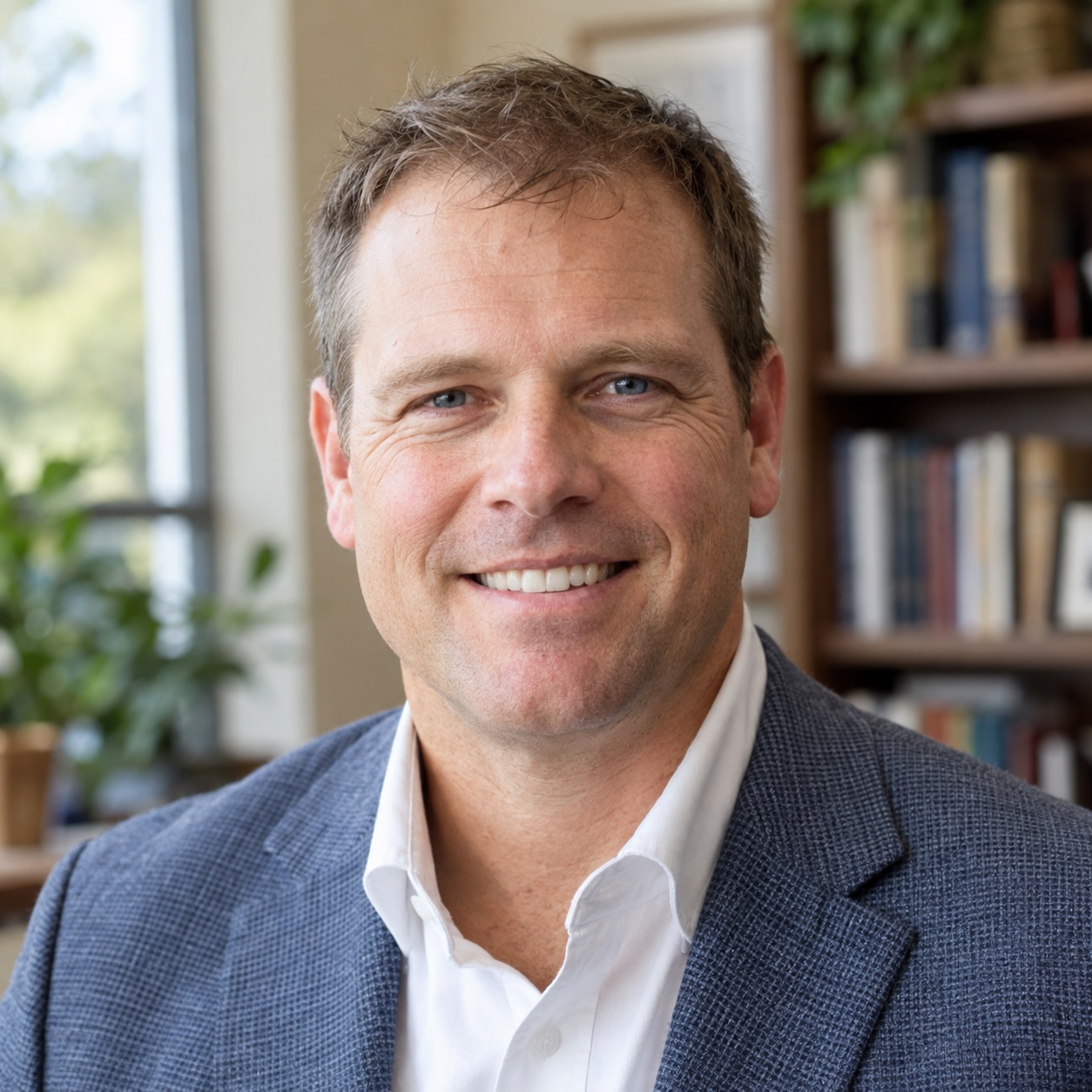
Dr. Thomas C. Ellison
Professor of Evangelism and Church Planting
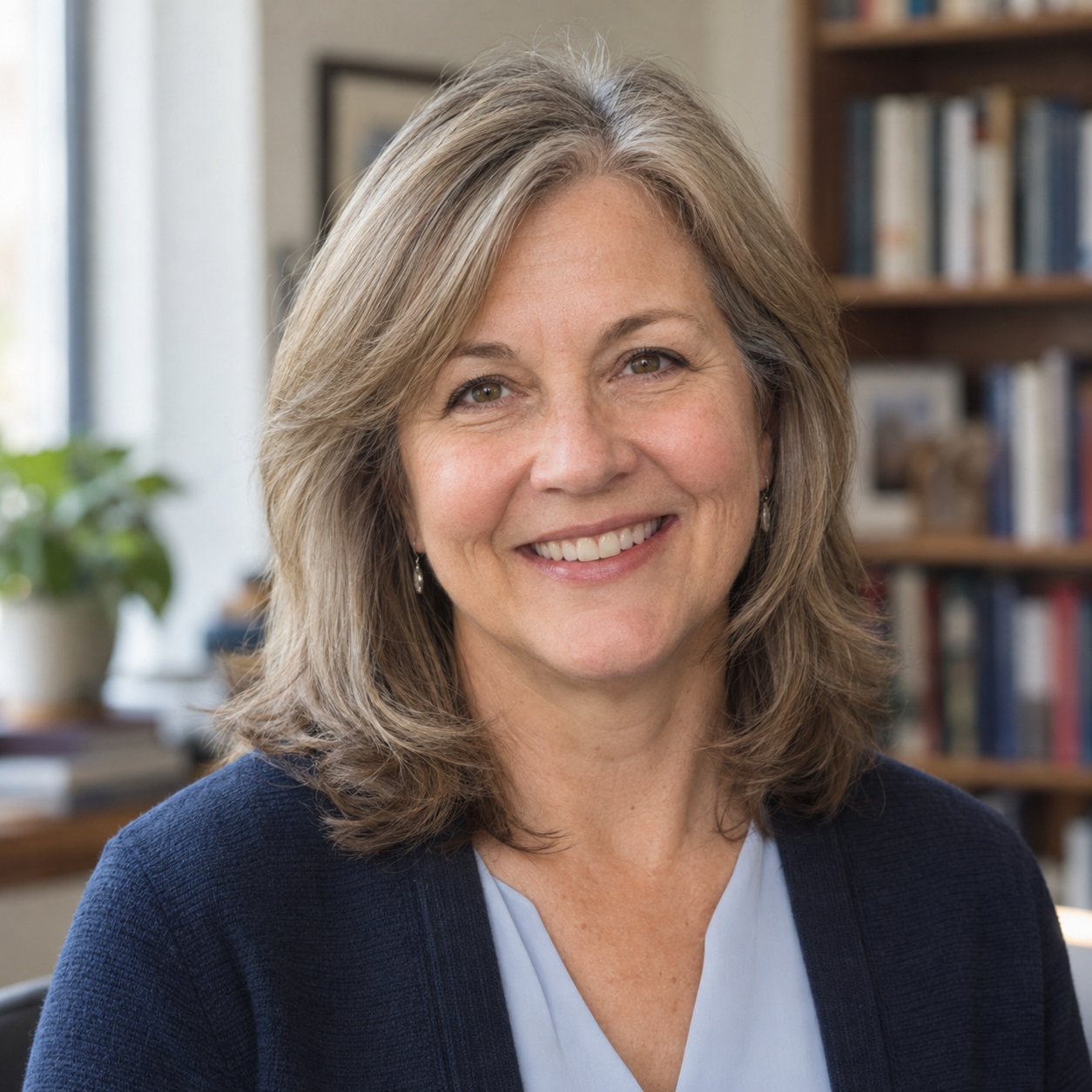
Dr. Laura K. Reynolds
Professor of Christian Education
Leadership and governance
The seminary is governed by a Board of Trustees that holds the Statement of Faith, a faculty that owns the curriculum and the assessments, and a registrar that keeps the permanent record every credential is verified against.
President
Leads the seminary, chairs the faculty, and signs every conferred credential.
Chair of the Board of Trustees
Chairs the governing board, which holds the Statement of Faith and approves every degree conferral.
Academic Dean
Oversees the published degree plans, the assessment standards, and faculty appointments.
Registrar
Maintains the credit ledger, issues credentials, and keeps the permanent verification record.
Holds the Statement of Faith, appoints the President, approves the published degree plans, and confirms every conferral.
Authors the curriculum and the assessment banks, sets the academic standards, and reviews prior learning against published outcomes.
Records earned credit, issues credentials, and maintains the verification page that a third party can check.
ICAS Accreditation
Life Seminary is institutionally accredited by the International Council for Academic Standards (ICAS) and is committed to rigorous academic quality, institutional integrity, and educational accountability.
The Seminary maintains a structured quality-assurance framework encompassing competency-based assessment, evidence-based evaluation, credential validation, academic governance, and continuous institutional review. Its academic model supports innovative and non-traditional pathways while preserving clearly defined standards for learning outcomes, assessment integrity, and the credibility of academic awards.
View ICAS accreditationOne transparent, one-time program assessment fee opens the complete published degree plan.
Every eligible application is considered for the 2026 Life in Christ Grant. Admission and the Grant decision come first; the program assessment fee is requested afterward.
Experienced ministry practitioners are assessed on competencies they have already developed through years of ministry, rather than being required to repeat coursework they already know.
Active Grant
2026 Life in Christ Grant
Published Life Seminary tuition
$39,900.00
After 2026 Life in Christ Grant
$49
One-time program assessment fee
Grant tuition reduction: USD 39,851
No application fee, renewal fee, per-assessment fee, or retake fee.
Published Life Seminary tuition
$59,900.00
After 2026 Life in Christ Grant
$69
One-time program assessment fee
Grant tuition reduction: USD 59,831
No application fee, renewal fee, per-assessment fee, or retake fee.
Published Life Seminary tuition
$89,900.00
After 2026 Life in Christ Grant
$149
One-time program assessment fee
Grant tuition reduction: USD 89,751
No application fee, renewal fee, per-assessment fee, or retake fee.
Submit the single-page application for free.
Receive the decision and your locked program fee.
Demonstrate theological understanding and the competencies developed through ministry.
Receive the electronic degree and permanent verification record.
Worldwide Seminary Community